


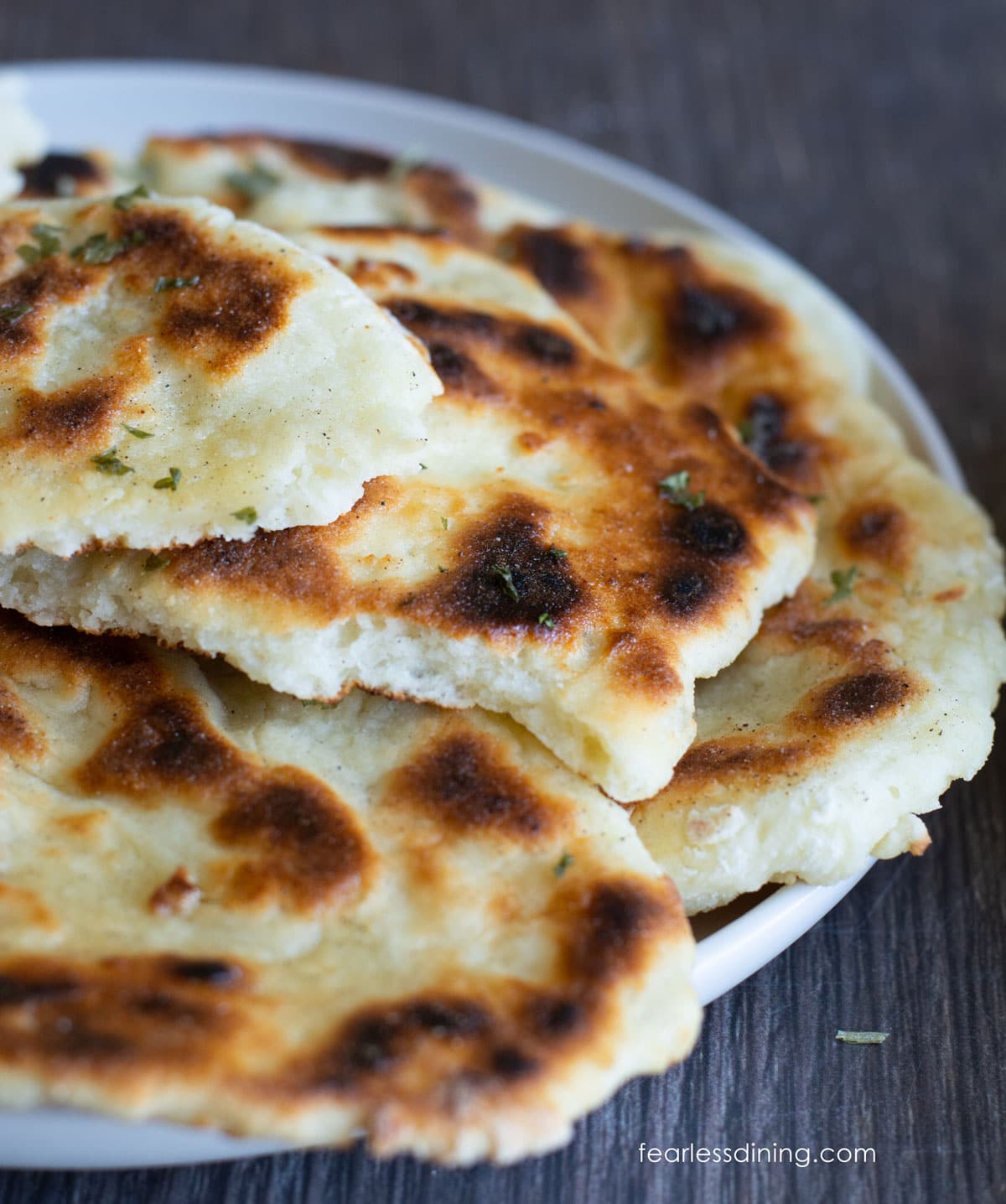
This soft, fluffy gluten-free naan has the chew and softness you expect from traditional naan. It is easy to make from scratch with just a few simple ingredients, and it can be customized to be dairy-free. Whether you are scooping up curry at home or bringing this gf naan to an Indian restaurant, this gluten-free naan recipe will become a go-to recipe in your kitchen.
This post may contain affiliate links. Please read our Disclosure Policy.

❤️ Sandi’s Recipe Summary
The Quick Bite: This easy gluten-free naan is soft and chewy inside, with buttery, blistered spots from a hot cast iron skillet. I tested it with three flour blends, and the right blend makes all the difference in yeast dough. You can make it dairy-free, or pack a few pieces to bring to your favorite Indian restaurant.
Reader Review
“This is THE BEST recipe for GF naan, ever. We make this often in our house! Thank you for tirelessly testing out new recipes and providing so much info for the rest of us. You are truly appreciated!”


If you have missed naan bread since going gluten-free, try this gluten-free naan recipe. This recipe has been in my mind for a long time. How many of you have gone to Indian restaurants and were envious of friends or family eating the naan? Mr. Fearless Dining and I love dining at Indian restaurants, but not having safe naan to eat makes it rough. Several Indian restaurants near our house have a safe gluten-free menu, so I now make this naan and bring it with us.
This gluten-free naan recipe makes the perfect fluffy texture with a buttery, slightly crisp outside. It grabs onto those thick Indian sauces so you don’t miss a single drop. I tested this recipe several times with three different gluten-free flour blends to get it just right. As you will see in my testing notes below, one blend didn’t work, which reinforces why it is so important to use a flour blend that works in yeast recipes.
You can make this gluten-free naan dairy-free, and one of the flour blends I tested is gum-free, so you can make naan without xanthan gum if you prefer. If you love to make bread, I have lots of easy gluten-free bread recipes to try!
Gluten-Free Flour Blend Testing Notes:
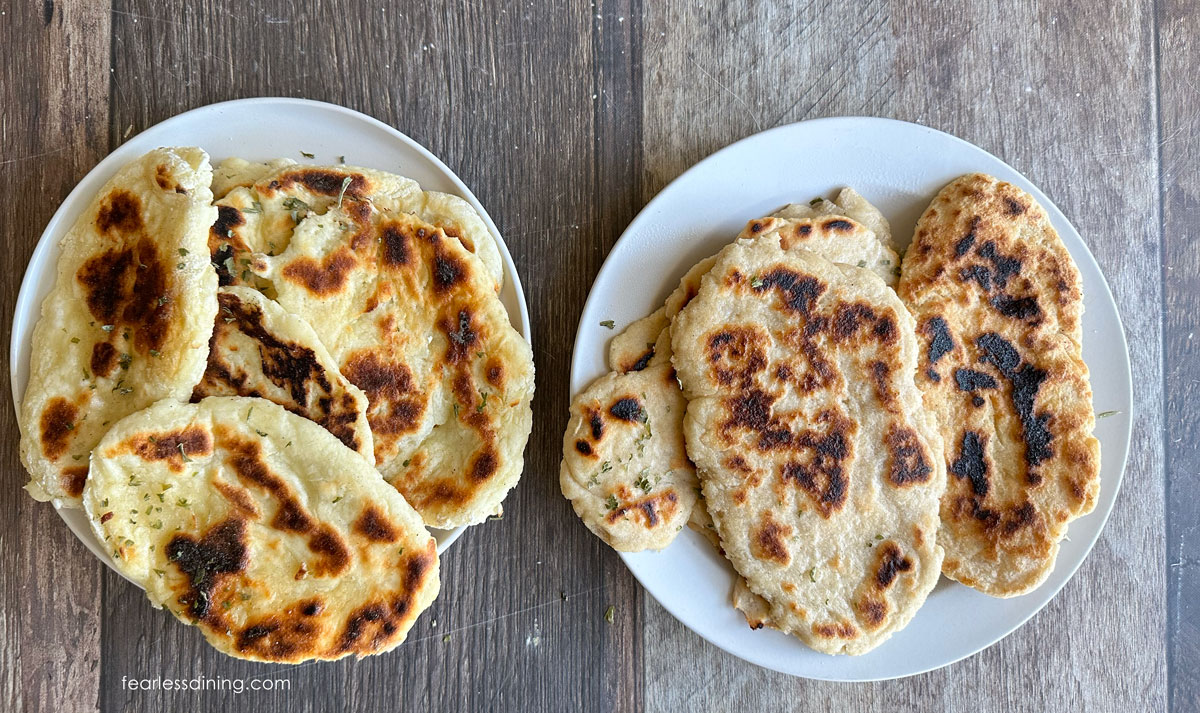
Both the Cup4Cup and DIY GF Flour blends cooked up fluffy. The main difference seemed to be the amount of flour needed. 2 1/2 cups of my gluten-free flour blend weighed 406.2 grams, while the same amount of Cup4Cup weighed 343.4 grams! That is a significant weight difference!
- Cup4Cup – Light and fluffy texture. I tested this with both the old and new Cup4Cup formulations. This is a starchy blend, especially compared to my DIY blend, and I had to add almost half a cup of extra flour. Because of this, I reduced the total water amount by 1/4 cup so you don’t have to keep adding extra flour. When making gluten-free naan with Cup4Cup flour, you must dust the silicone mat and rolling pin with flour.
- My DIY Gluten-Free Flour Blend – My blend needed much more water than Cup4Cup, because it has more grains and less starch than the Cup4Cup blend. This blend uses psyllium husk powder instead of xanthan gum, making gluten free naan without xanthan gum, but you can mix it without psyllium husk powder and use xanthan gum if you prefer a psyllium-free version.
- Bob’s Red Mill 1:1 – Note: I tested this recipe with Bob’s, knowing it doesn’t work well in yeast recipes, as an experiment. The gf naan made with this blend was nowhere near as fluffy inside as the Cup4Cup or my DIY gluten free flour blend versions. It is not recommended.
Note: I also tested the naan recipe using my DIY blend with Kite Hill Dairy-Free Plain Yogurt and Earth Balance dairy-free butter. I felt like the flavor was good, and I can recommend my gluten free swaps
Ingredient Notes and Swaps:
For the full list of ingredients and amounts, please go to the recipe card below.
- Gluten-Free Flour – I tested this recipe with my DIY Gluten-Free Flour Blend, Cup4Cup, and Bob’s Red Mill 1:1. Use a flour blend that works with yeast. See the Gluten-Free Flour Blend and Comparison above for details on how they turned out.
- Yeast – Most yeast is gluten free, but Red Star Platinum is NOT gluten free! I used Fleischmann’s Rapid Yeast to make this naan.
- Yogurt – I used plain Greek Yogurt in my recipe. The yogurt adds structure and moisture to the dough. Plain dairy-free yogurt also works. See above for details.
- Butter – Use salted or unsalted. If you use salted butter, omit the added salt. I did test this with Earth Balance in my dairy-free version.
- Egg – Use size large.
- Sugar – I used just a tiny bit of sugar to help activate the yeast. Honey will also work to activate the yeast.
- Water – When using yeast, I usually recommend using filtered water. I find that chlorine can inhibit yeast, which means your naan won’t turn out fluffy.
Please see my Guide to Gluten-Free Flour Blends to learn more about gluten free blends that work with yeast recipes.
How To Make Gluten-Free Naan (Step-By-Step)
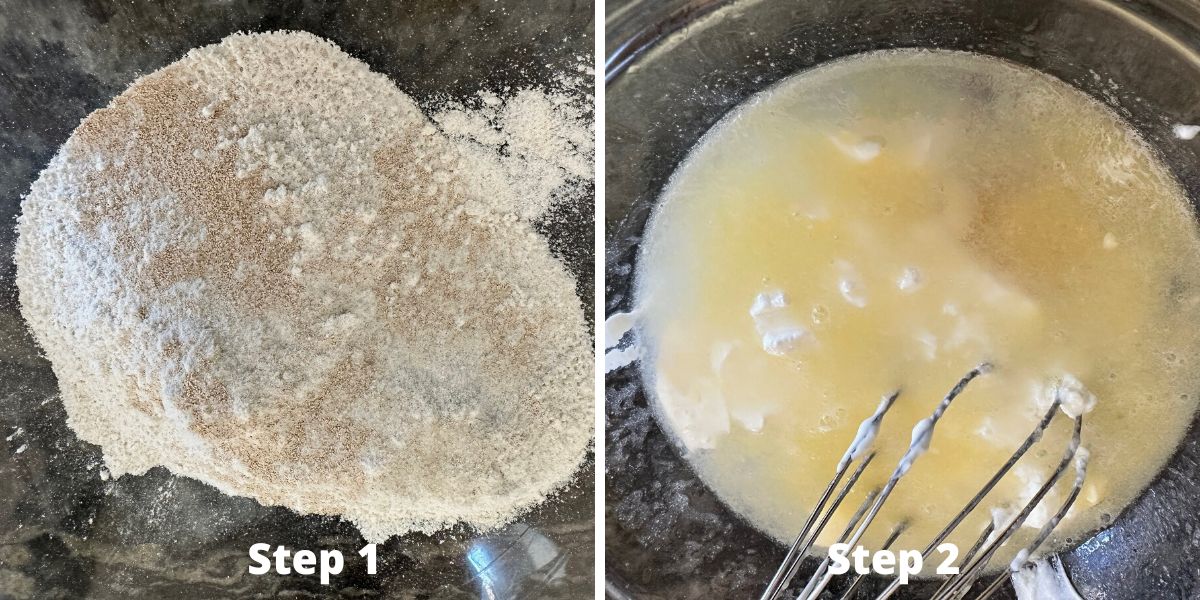
Step 1: Add the gluten-free flour, salt, and rapid yeast to a large
Step 2: In a smaller bowl, whisk together the melted butter, purified water, yogurt, and egg.
👀 Sandi Says: The water should be warm (between 100-110°F) to activate the yeast properly. If the water is too hot, it can inhibit yeast growth; if it is too cold, the dough may not rise properly.
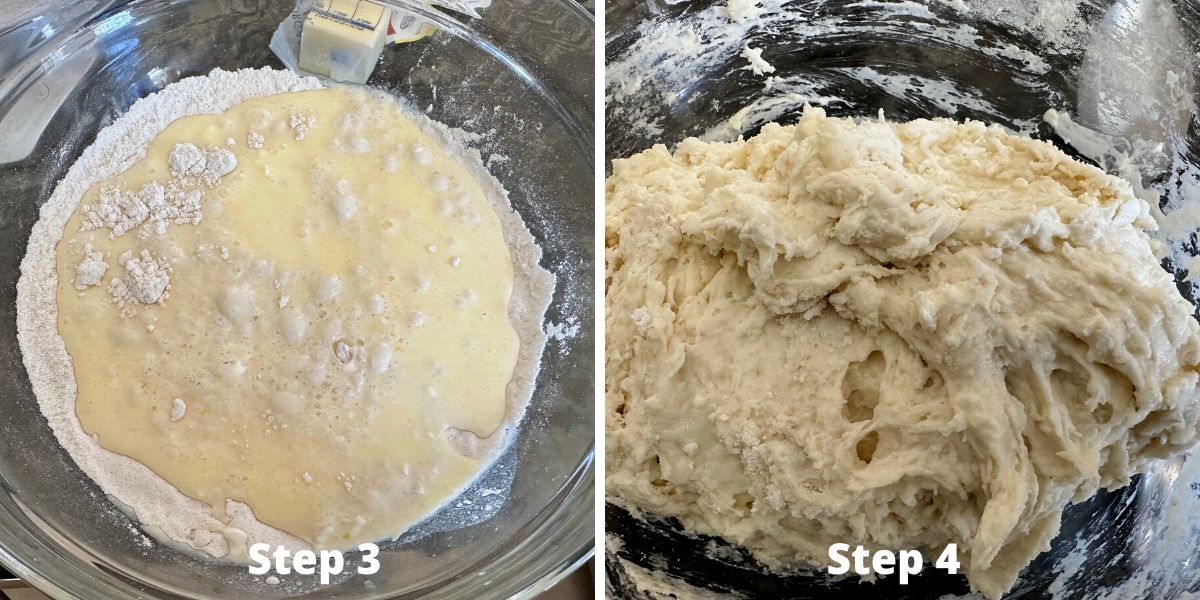
Step 3: Pour the wet ingredients into the dry ingredients and stir with a spatula or wooden spoon until it forms a soft, sticky dough.
Step 4: Mix the wet and dry ingredients into the dough. If the dough is too sticky to handle, sprinkle in 1-2 extra tablespoons of gluten-free flour until it is manageable but still slightly tacky.
Cover the mixing bowl with plastic wrap or a clean kitchen towel and let the dough rise in a warm place for 45 minutes to 1 hour. If your kitchen is cold, preheat your oven to 200°F, turn it off, and place the covered bowl inside to create a warm environment for the dough to rise.
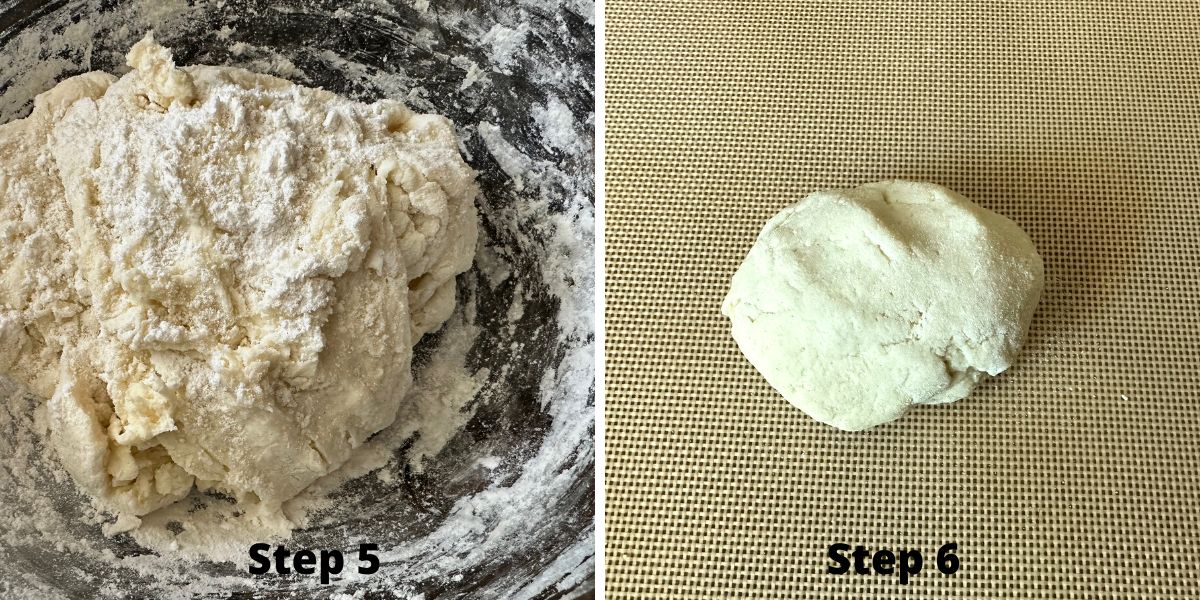
Step 5: Remove the plastic wrap and evaluate your dough. If your dough is really sticky, add more flour. If using Cup4Cup flour, you may need to add more flour at this stage if the dough is too sticky to roll out. Lightly dust a clean work surface or a silicone baking mat with gluten-free flour to prevent sticking.
Step 6: Divide the dough into equal portions, depending on how large you want your naan pieces. Roll each portion into a ball, then flatten slightly with your hands.
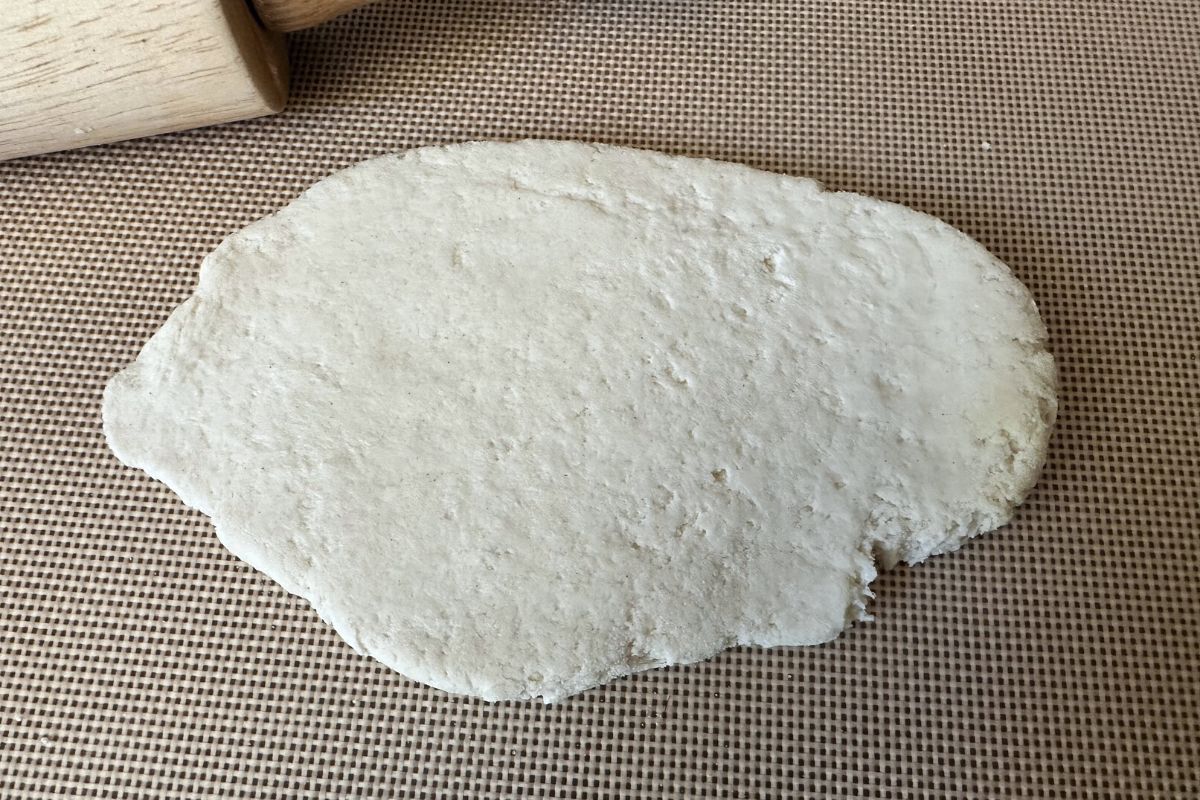
Step 7: Use a rolling pin and roll each dough ball into an oval shape about ¼ inch thick. If the dough sticks to the rolling pin, lightly dust it with flour.
👀 Sandi Says: Make the naan any size you like. I make the pieces smaller when I am making it to bring to an Indian restaurant so it fits in a small baggie in my purse.
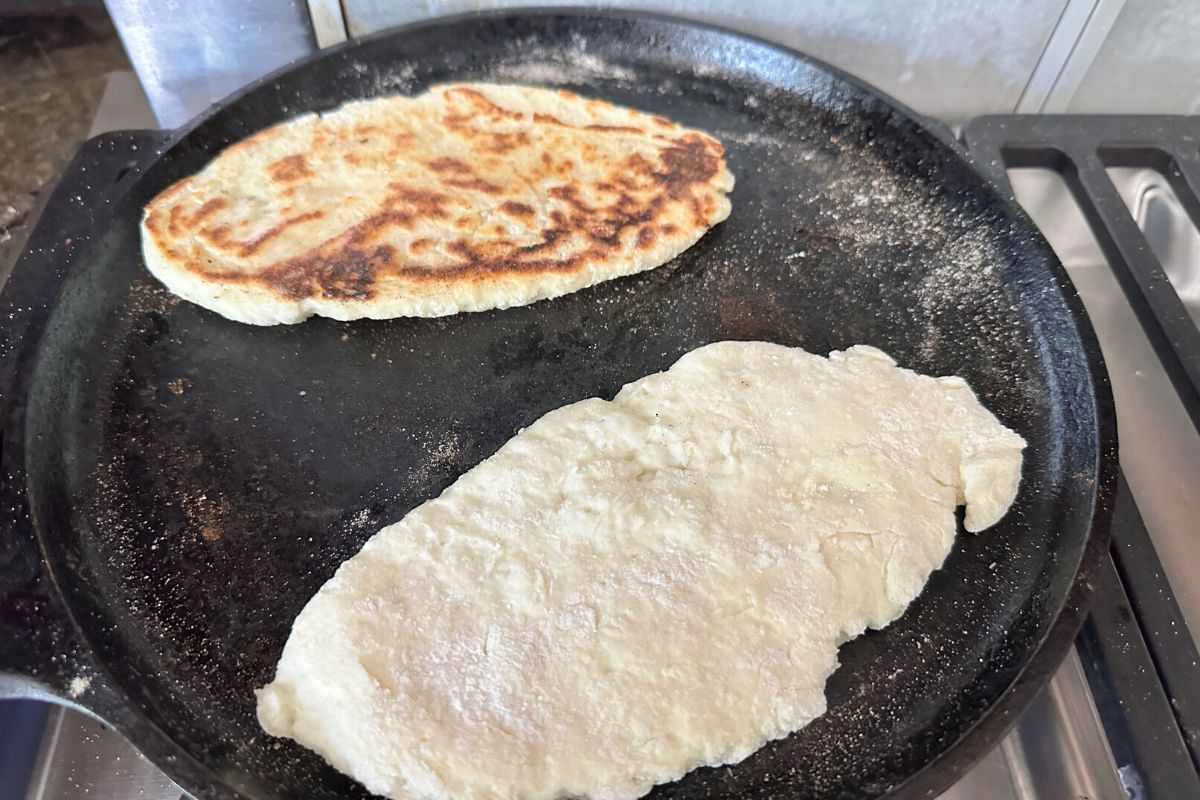
Step 8: Heat a cast iron skillet over medium heat. Do not oil the skillet. Carefully place a rolled-out naan piece onto the hot skillet and cook for 2-3 minutes, or until bubbles form and the bottom is golden brown. Flip the naan over and cook for another 1-2 minutes.
🔑 Sandi says: Moisture in the dough flashes to steam on contact with the hot pan, puffing little pockets of dough. The raised tops then brown and char. That’s why 1/4-inch thickness and enough heat both matter, and it’s your skillet’s version of the tandoor.
Step 9: Transfer the cooked naan to a plate and cover with a clean towel to keep them warm while you cook the remaining pieces.
Step 10: Melt the butter (or dairy-free butter alternative) in a small microwave-safe bowl. I recommend microwaving it for 20-25 seconds. If desired, add minced garlic for an extra flavor boost. Use a pastry brush to coat the naan with butter, then sprinkle a little salt on top.
If you are new to gluten-free bread making, this naan recipe is a great place to start. If you have questions, drop them in the comments. I love to help.
Tips For Gluten-Free Naan:
- If your dough feels sticky, sprinkle more flour over the dough before rolling.
- You can make the dough ahead and refrigerate it overnight.
- I found through lots of testing that cast-iron pans provide the best, most even heat. You definitely need to avoid any pans that heat unevenly.
Serve naan with:
- Curry: Naan is often served with a variety of curries.
- Chana Masala: A popular Indian dish made with chickpeas, often served with naan.
- Biryani: An Indian rice dish that is often served with naan.
- Vegetable dishes: Vegetable dishes, such as saag paneer, aloo gobi, or baingan bharta, are often served with naan.
Why didn’t my gluten-free naan rise?
If your naan did not rise, there are a few possible reasons. Your yeast could be expired, so check the date. Your water may have contained chlorine, or the dough may not have had enough time or warmth to rise. Try letting it rise in a warm oven.
Why isn’t my gluten-free naan bubbling?
If your naan isn’t bubbling on the skillet, the skillet may not be hot enough. Make sure the heat is set to medium-high.
Frequently Asked Questions:
Yes, to make dairy-free, gluten-free naan, you can make this naan dairy-free by using plant-based butter and dairy-free plain yogurt.
I haven’t tested this, but one reader wrote to me that she used Just Egg in this recipe and said it worked well.
You could bake it, but the texture will be different, and the naan will not have the classic blistering. I haven’t tested baking the naan.
Yes!! This is the best alternative if you do not have a cast-iron skillet. Just place the naan dough directly on clean grill slats. Flip it when the dough puffs up, or you notice the dough getting too dark.
More Gluten-Free Bread Recipes:
If you enjoyed this naan recipe, I have many other gluten-free bread recipes for you to explore. Here are some of my favorites:
- Gluten-Free Garlic Knots
- Gluten-Free Bread Machine Bread Recipe
- Easy Gluten-Free Bagels
- Gluten-Free Sourdough Bread (sandwich loaf style)
Love This Gluten-Free Naan Recipe?
💬 Did you make this recipe? Drop a comment below, and let me know how it turned out! ⭐⭐⭐⭐⭐ Please include which flour blend you used. This will help others know this recipe is delicious. Thank you!
Easy Gluten Free Naan in Under an Hour
Ingredients
- 2 ¼-2 ½ cups gluten free flour blend See notes!
- 2 ½ teaspoons rapid yeast Do not use Red Star Platinum.
- 1 teaspoon cane sugar
- ½ teaspoon salt
- ¾ to 1 cup purified water *see notes!
- ½ cup plain yogurt
- 2 tablespoons melted unsalted butter
- 1 large egg
- 3 tablespoons melted butter
- dash salt
- Optional: one clove of minced garlic
Equipment
Method
- Add the 2 ¼-2 ½ cups gluten free flour blend, ½ teaspoon salt, 1 teaspoon cane sugar, and 2 ½ teaspoons rapid yeast to a large mixing bowl. Use a whisk to blend them.
- Add the 2 tablespoons melted unsalted butter, ¾ to 1 cup purified water, ½ cup plain yogurt, and 1 large egg to a smaller bowl and whisk to blend. Make sure the water is warm (between 100-110°F) to activate the yeast properly. If it's too hot, it can inhibit yeast growth; if it's too cold, the dough may not rise properly.
- Combine the Ingredients. Pour the wet ingredients into the dry ingredients, stirring with a spatula or wooden spoon until a soft, sticky dough forms.
- Mix the wet and dry ingredients into the dough. If the dough is too sticky to handle, sprinkle in 1-2 extra tablespoons of gluten-free flour until it is manageable but still slightly tacky.
- Cover the mixing bowl with plastic wrap or a clean kitchen towel and let the dough rise in a warm place for 45 minutes to 1 hour. If your kitchen is cold, preheat your oven to 200°F, turn it off, and place the covered bowl inside to create a warm environment for rising.
- Remove the plastic wrap and evaluate your dough. If your dough is really sticky, add more flour. If using Cup4Cup flour, you may need to add more flour at this stage if the dough is too sticky to roll out. Lightly dust a clean work surface or a silicone baking mat with gluten-free flour to prevent sticking.
- Divide the dough into 5-6 equal portions, depending on how large you want your naan pieces. Roll each portion into a ball, then flatten slightly with your hands.
- Use a rolling pin and roll each dough ball into an oval shape about 1/4 to 1/2 inch thick. If the dough sticks to the rolling pin, lightly dust it with flour.
- Heat a cast iron skillet over medium heat. Carefully place a rolled-out naan piece onto the hot skillet and cook for 2-3 minutes, or until bubbles form and the bottom is golden brown. Flip the naan over and cook for another 1-2 minutes. If the naan isn't forming charred bubble spots, slightly increase the heat.
- Transfer the cooked naan to a plate and cover with a clean towel to keep warm while you cook the remaining pieces.
- In a small microwave-safe bowl, combine 3 tablespoons of melted butter and a dash of salt. I recommend microwaving it for 20-25 seconds.
- Optional: one clove of minced garlic to the melted butter for extra flavor. Use a pastry brush to brush butter over the naan, then sprinkle a little salt on top.
Nutrition
Notes
- I tested this recipe with Cup4Cup (both versions) and my homemade gluten free flour blend. See below for important notes on each.
- I recommend using purified water in yeast recipes. Chlorine in tap water can inhibit yeast growth.
- For my DIY GF Flour Blend, start with 2 1/4 cups of flour, and expect you may need more water.
- Cup4Cup – start with 3/4 cup of water and expect to add more flour. My gluten-free flour blend starts with 1 cup of water and is planned to add more water.
- Be sure to use plain, not flavored, yogurt. The tangy flavor of plain yogurt helps flavor your naan.
- To make this recipe dairy-free, use vegan yogurt and butter.
- Store cooked naan in an airtight container in the fridge for up to 3 days, or freeze it in freezer bags.
-
- Cup4Cup – The texture is light and fluffy. This blend was stickier to work with, and I had to add almost half a cup of additional flour. Because of this, I reduced the total water amount by 1/4 cup. You will need to dust the silicone mat and rolling pin in flour when making gluten free naan with Cup4Cup flour.
-
- My DIY Flour Blend – My blend needed a lot more water than the Cup4Cup, and I think this is due to the fact that it had less starch, so it uses psyllium husk instead of xanthan gum. From a cost perspective, this made it more economical to use this blend because you need less flour. I also did not have to dust my silicone mat when using this blend.
Private Notes
Tried this recipe?
Let us know how it was!
I truly hope you enjoy this recipe. I have been testing and creating gluten-free recipes for over 15 years. Creating gluten-free recipes that do not taste gluten-free is my goal for every recipe. Sometimes I only have to test a new recipe a couple of times, and others it takes multiple times. I do this so you get reliable, delicious results every time!

Used Trader Joe’s unsweetened vegan coconut / cashew yogurt, bobs redmill cup-for-cup, and the same rapid rise yeast. It was totally delicious and I can’t wait to make it again. It reheats very well in the microwave 15-20sec, and was delicious with my red-lentil “hummus” (can’t have chickpeas). We sautéed mushrooms to go on top. SO good! Can’t wait to make it again
Hi Dani, I love hearing the vegan coconut/cashew yogurt worked so well. Thank you!
In the ingredient notes above you said you tested with your blend, Cup4Cup, and Bobs Red Mill 1:1. You don’t mention the Bobs again where you note the flours to use in this recipe. I know you have said that Bobs does not work well with yeast?
Hi Linda, the Bob’s 1:1 doesn’t work well with yeast. A reader used it and said it was okay, but I haven’t tested it myself. You could use the Bob’s All Purpose GF blend in the red bag…that one is better with yeast.
I tried it with Bobs RM 1:1. It’s a little bit dense and gummy in the very center, but still delicious. The yeast did OK given some extra time, but not as much as other flours might. I found that cooking it for as long as possible helped with the gummy texture. It’s good reheated the next day. Definitely best eaten hot out of the pan. This recipe is a good way to use up the bags of Bobs flour I’ve been given. I’m looking forward to trying other flour after this runs out.
Hi Dani, That flour blend doesn’t work in yeast recipes, unfortunately. It is frustrating because most brands don’t put this on the bag, only on their website. If you get a chance, try it with a flour blend that works with yeast and it will be fluffier.
Can I use goat kefir in place of yogurt in this recipe?
Hi Anne, I haven’t tested kefir and I am unable to advise on it.