


If you have been searching for a gluten-free bread machine recipe that actually works, one that turns out soft, sliceable, and tastes like squishy Wonder Bread you remember from childhood, I made this for you. After 15 years of testing this recipe in my own kitchen for my kids, I have perfected this method to ensure your loaf never turns into a “brick.”
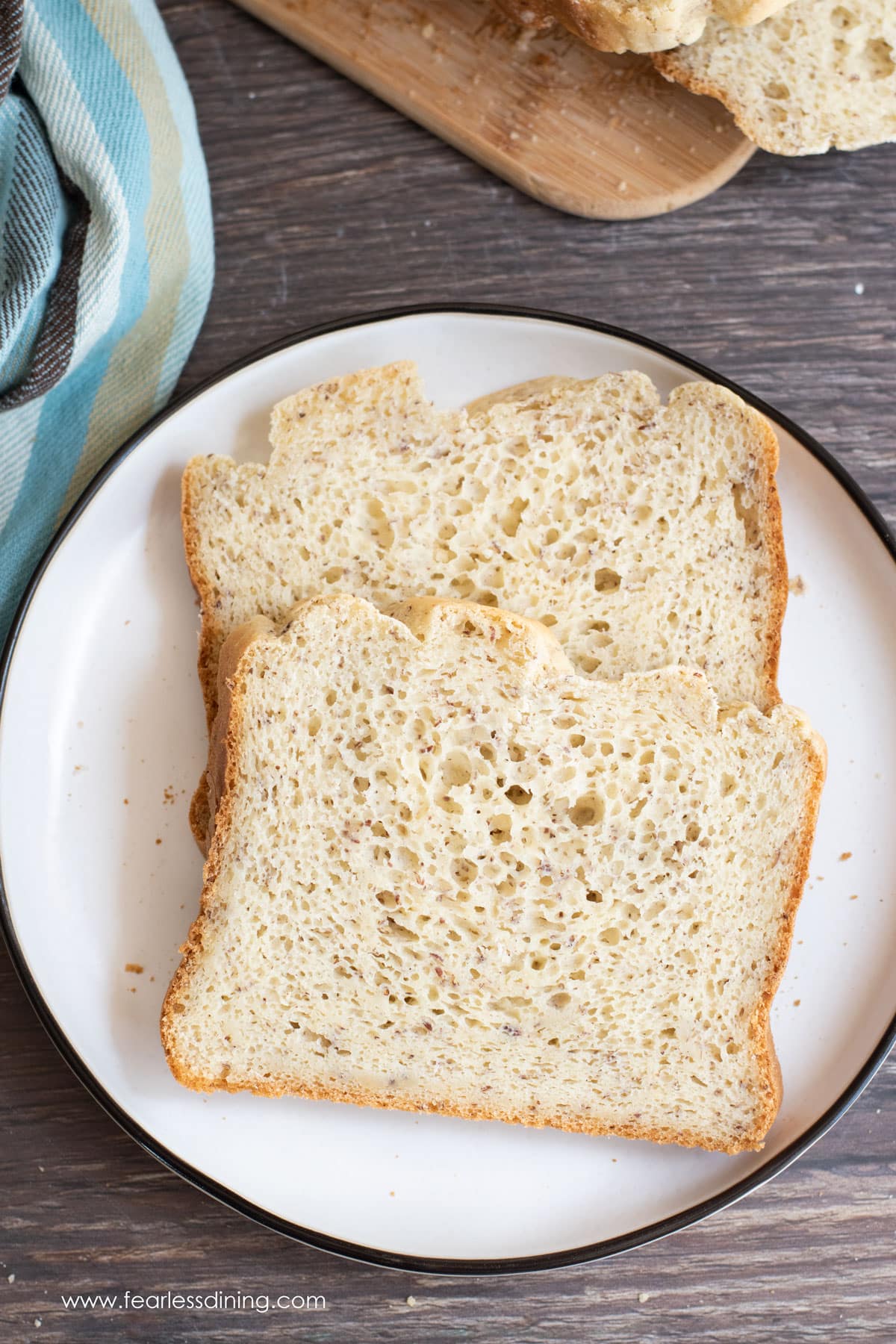
When we first went gluten-free almost 15 years ago, we could not buy a loaf of gluten-free bread in any grocery store. My kids were young and picky, and it was challenging to think of things to pack in their lunchboxes. I spent years perfecting this gluten-free bread recipe to work in my bread machine. My kids wanted a bread that was fluffy, not dense.
I made this recipe as easy as possible for you to make, and it is naturally gluten-free and dairy-free, with options for egg-free and gum-free as well. Hundreds of readers have made it and shared their success! If you don’t have a bread machine, you can bake it in your oven. See my Gluten-Free Bread Recipe.
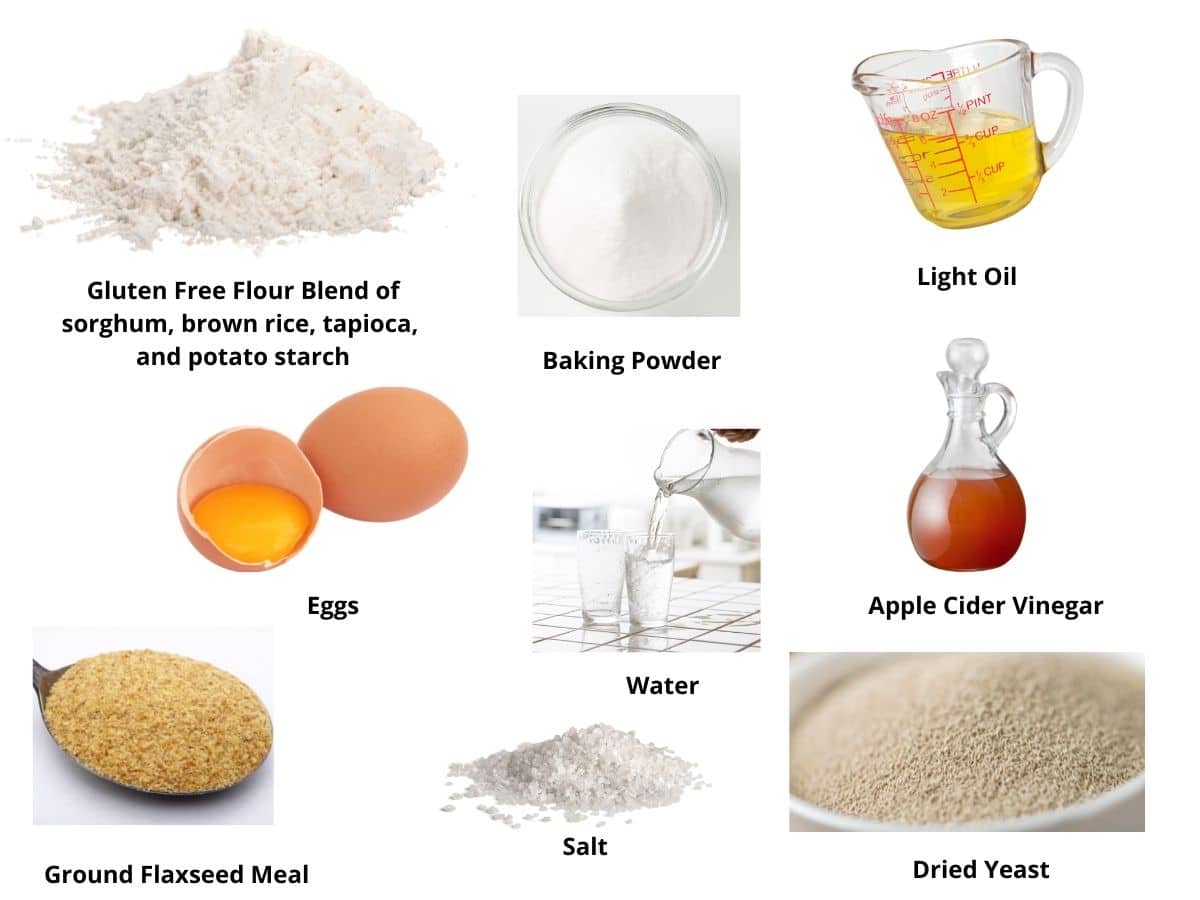
For the full list of ingredients and amounts, please go to the recipe card below.
Tested Gluten-Free Flour Blends
For best results, use one of the flour blends that I tested.
- Works: Cup4Cup (both the old version and new version), Sandi’s DIY All-Purpose Flour Blend.
- Doesn’t Work: Bob’s 1:1, King Arthur Measure for Measure, and bean flour blends. Always check the bag and the website of any gluten-free flour blend to ensure it works in yeast recipes.
Reader-tested blends (please see the comments for reader comments using these blends):
- Walmart Great Value Gluten-Free Flour
- King Arthur Gluten-Free Bread Flour
- Premium Gold Gluten-Free Flour Blend
- Two readers commented that they swapped gluten-free oat flour for the sorghum flour in my blend.
The rest of the ingredients:
- Flaxseed Meal: I add flaxseed meal because it adds moisture, extra binding, and structure. Use finely ground. If you use a 1:1 blend, omit the flaxseed meal.
- Eggs: Use large eggs. For egg-free, many readers have had success swapping Just Egg liquid replacer.
- Apple Cider Vinegar: Boosts rise and improves texture.
- Baking Powder: Use aluminum-free.
- Sugar: Just a couple of tablespoons to activate the yeast and balance the flavor.
- Yeast: Always confirm it’s gluten-free. (Red Star Platinum is not gluten-free.)
Allergen Substitutions:
This recipe is very forgiving, and you can swap these common allergens and still make a great loaf of gluten-free bread in your bread machine.
- Egg-Free: Replace the eggs with Just Egg.
- Gum-Free: Use my DIY gluten-free flour blend with psyllium husk instead of xanthan gum.
- Yeast Swap: Use rapid yeast if needed. The same quantity works.
- Alternate Flours (reader-tested): Great Value GF flour and Namaste have been reported to work by readers, but I haven’t tested them personally.
A Note From My Kitchen
I spent years testing this recipe specifically in my bread machine because gluten-free dough behaves very differently in a bread maker. Small changes, like blending ingredients first, choosing yeast-compatible flour blends, and scraping the sides of the bread pan early, make the difference between a dense loaf and a soft, sliceable one.
I know most of you prefer using a gluten-free flour blend, but many 1:1 blends do not work in yeast-based recipes. I did test one flour blend, Cup4Cup, in this recipe, and it worked well. If you use a different flour blend, check the back of the bag and the brand’s website to confirm it is suitable for yeast recipes.
How to Make Gluten-Free Bread in Your Bread Machine (Step-By-Step)
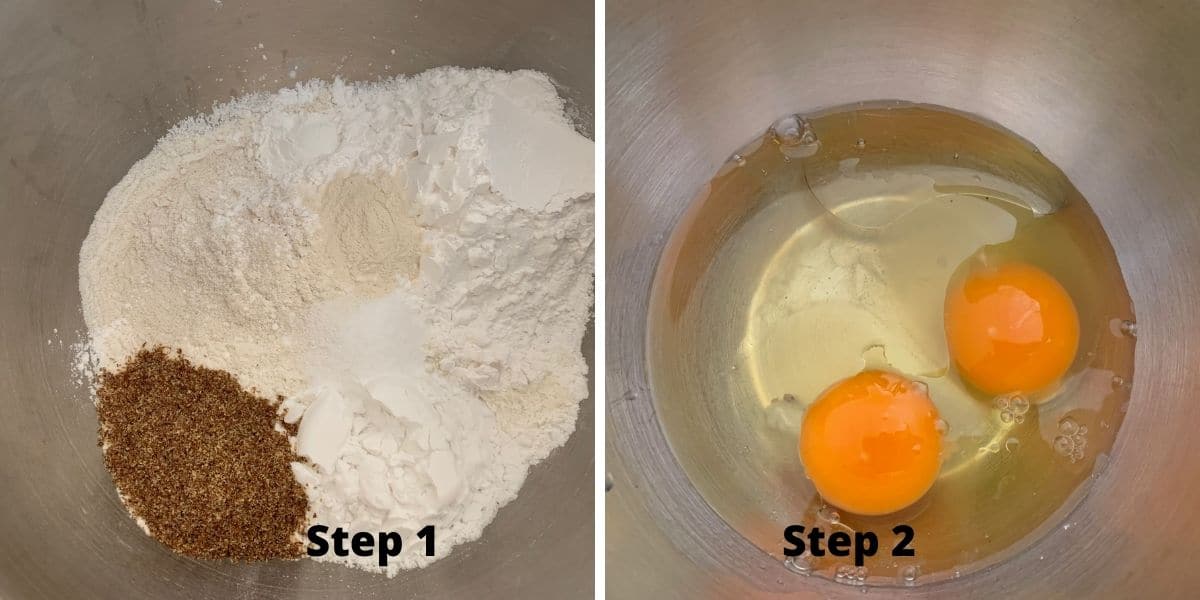
Step 1: Add your dry ingredients to a large mixing bowl. Whisk the dry ingredients together before adding them to the machine.
Step 2: Add the wet ingredients to a mixing bowl. Blend the wet ingredients until smooth.
Testing Tip: I know many recipes tell you to add the wet ingredients, then the dry ingredients, to the bread machine. Mixing them first helps prevent pockets of unmixed flour, evenly distributing the eggs, oil, and vinegar, and it promotes an even rise, especially important in gluten-free baking.
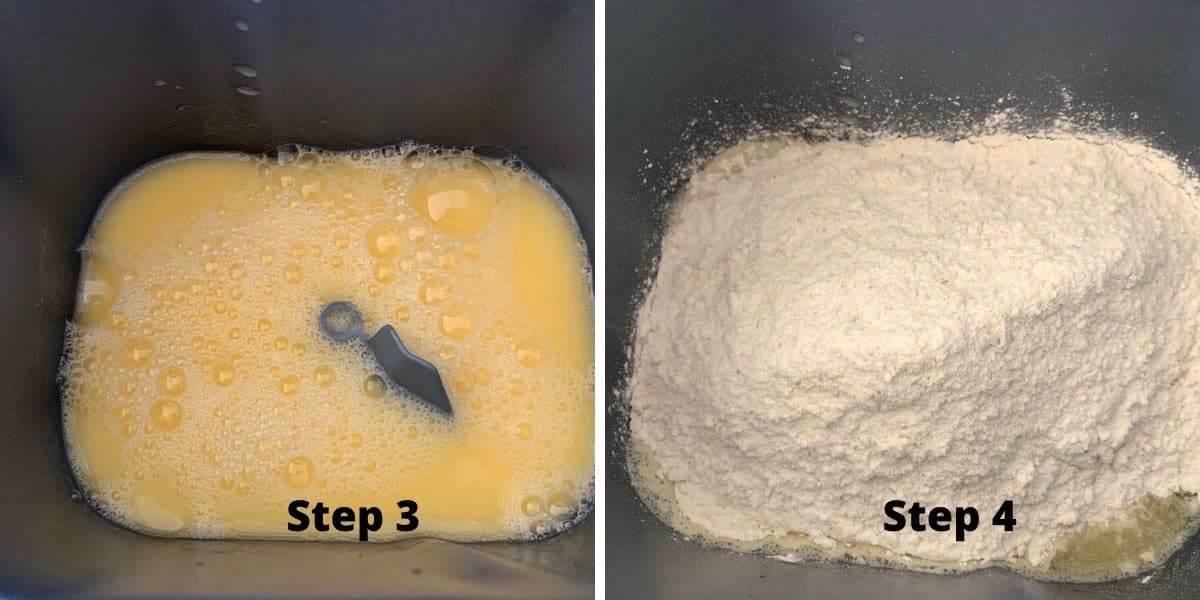
Steps 3 and 4: Pour the dry ingredients over the wet ingredients. Do not stir them together; the machine requires these layers to activate the yeast.
Email This Recipe To Me!
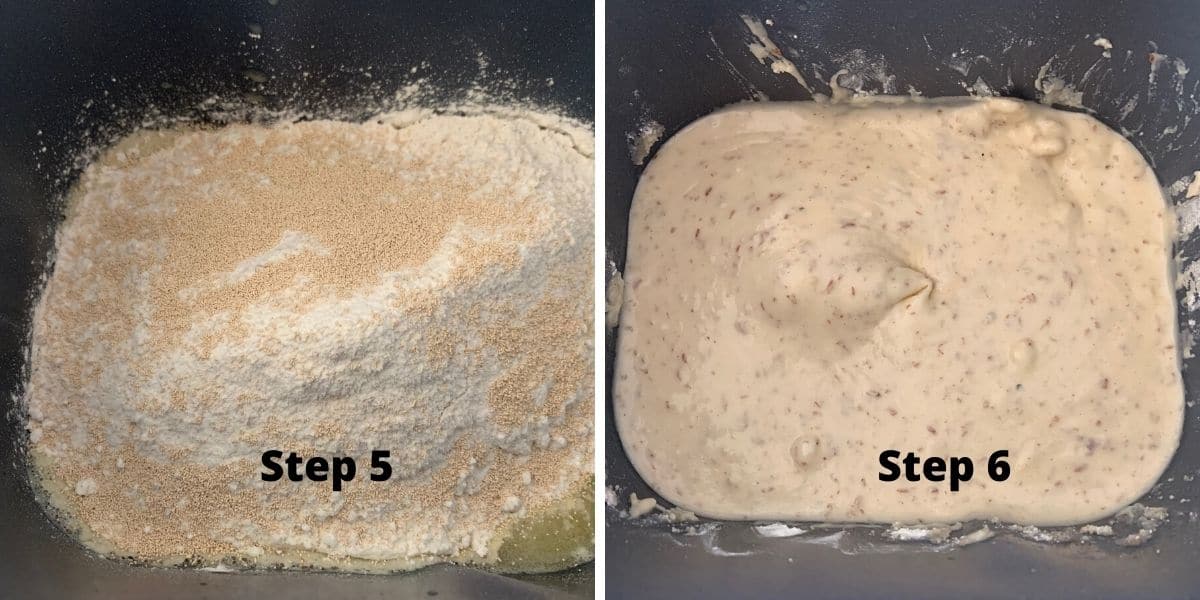
Step 5: Sprinkle the yeast evenly on top, then start the gluten-free setting. Use a homemade cycle if your machine doesn’t have one (see the Bread Machine Tips below).
Step 6: Do not skip the 5-minute scrape! Use a butter knife to scrape the flour down from the sides and corners of the bread machine. Gluten-free dough does not ‘self-clean’ the pan walls like wheat dough does. This step ensures you do not end up with crusty flour patches on your finished loaf.
Step 7: Let the bread sit for 10 minutes after baking is finished, then remove it from the pan to cool. This keeps the bottom from getting soggy.
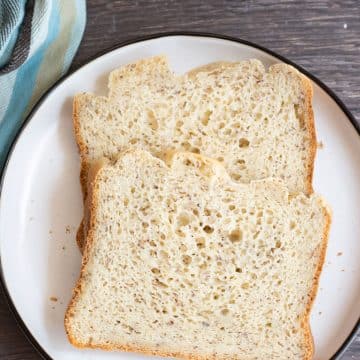
Do not slice the bread too soon! Let the loaf cool completely (100%) so the crumb can set. This will prevent gumminess. The slices of bread should feel soft and springy. The crust should feel firm, but not hard like a crusty bread.
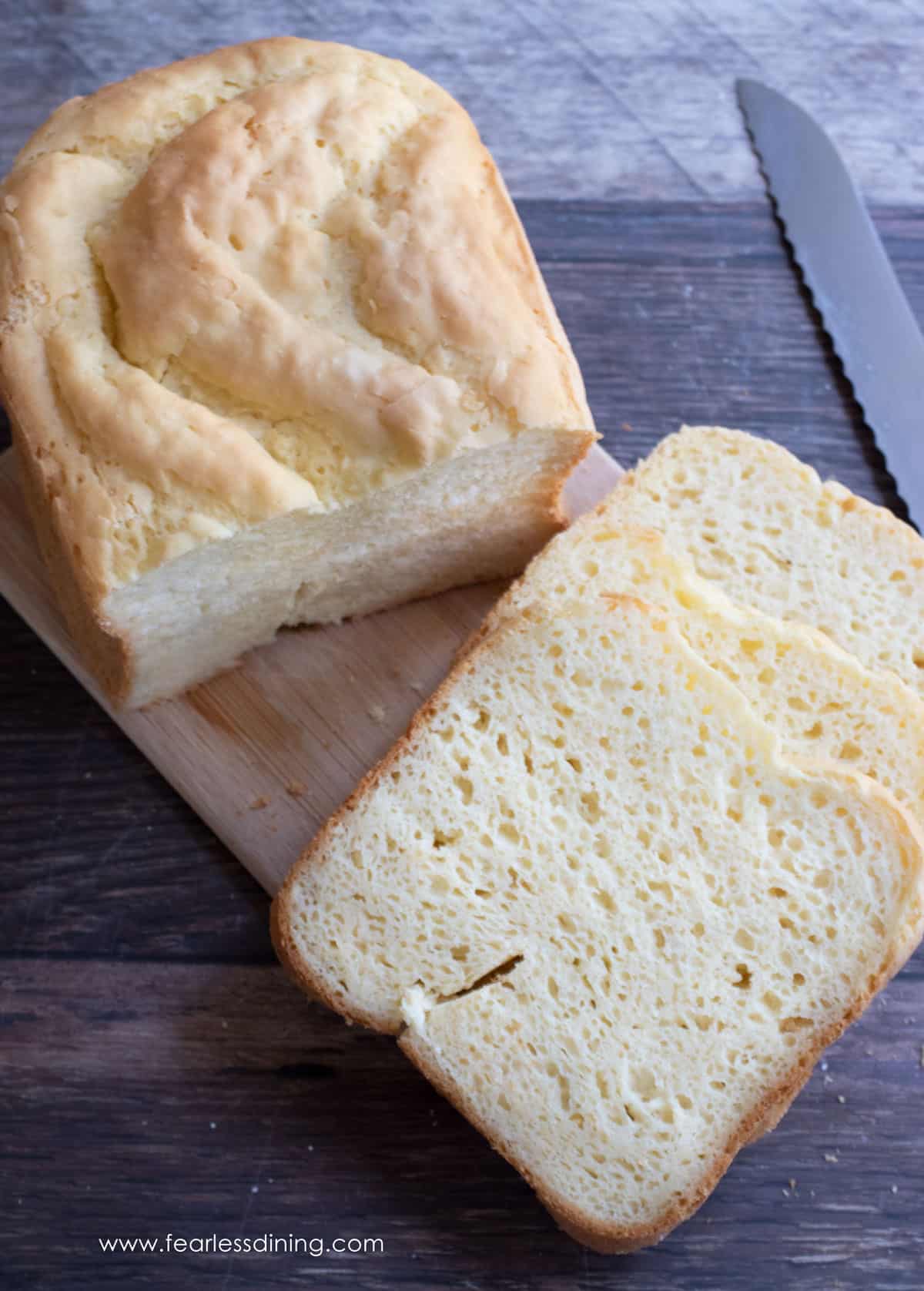
Store your freshly baked bread properly! Read How to Store Gluten-Free Bread so you can keep it fresh longer.
Bread Machine Troubleshooting:
Here are some tips to help you know which settings to use when baking this bread recipe. I use a Hamilton Beach machine, but bread machine settings vary by brand and model. Here’s how to get the best results:
Why is my bread underbaked?
If your bread is underbaked, it means your bread machine’s gluten-free setting is too short. You can tell if your bread is underbaked because it will be doughy in the middle, which can cause the top to sink. To fix this problem, run a short “bake-only” cycle to finish the browning.
What adjustments do I make if I live at a high altitude?
Yeast can be a lot more active at higher altitudes. This article explains how to adjust your ingredients so your recipe will work in a bread machine.
What if my bread machine doesn’t have a gluten-free cycle?
If you have an older bread machine or a machine without a gluten-free setting, these settings can be used. Use the Homemade setting:
- 20 min mix
- 45 min rise
- 90 min bake
Why didn’t my bread rise properly?
The most common reasons are inactive yeast, chlorine in tap water, or you used a gluten-free flour blend not designed for yeast baking. Bob’s Red Mill 1:1 and King Arthur Measure for Measure state on their websites that they do not work well in yeast recipes, yet many people try to use them anyway. Also, check your bread machine’s baking cycle length.
I have a lot more troubleshooting advice available for you. Read my Gluten-Free Bread Troubleshooting Guide. Also, check out my top recommendations for my favorite Gluten-Free Bread Making Tools.
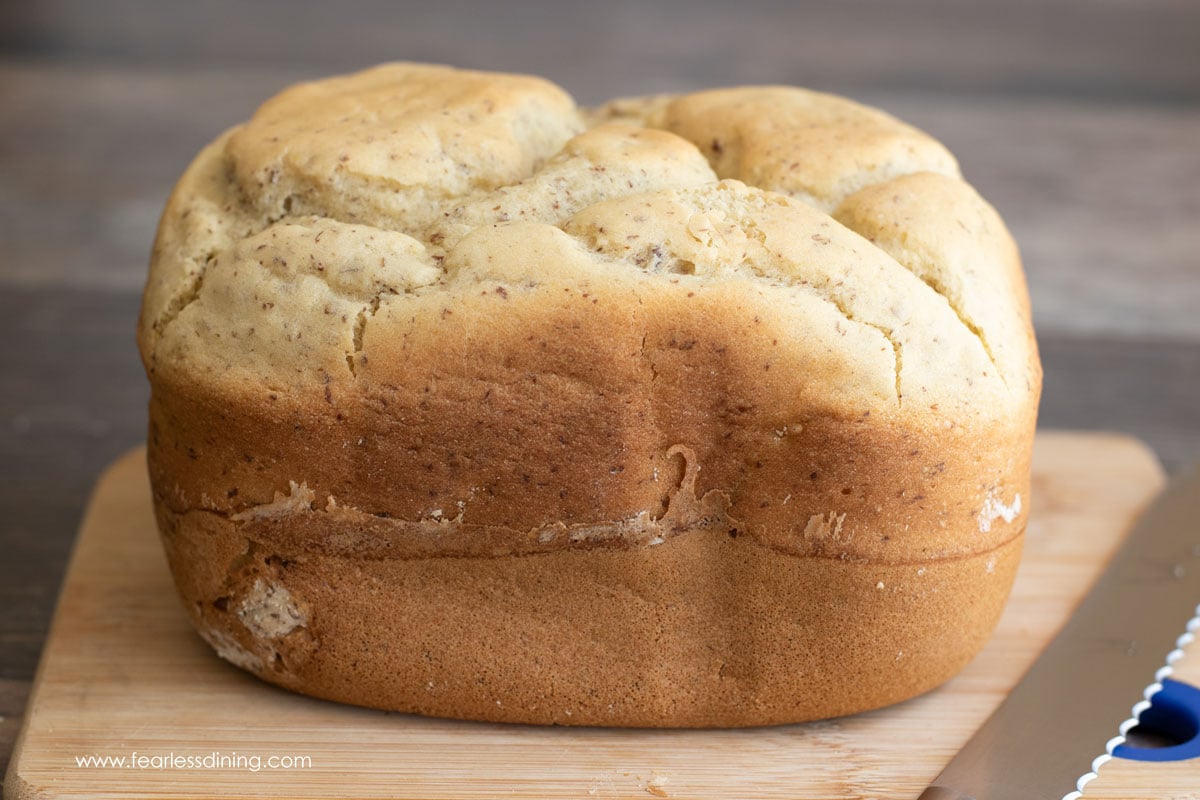
New to gluten-free bread baking? Don’t miss my Ultimate Guide to Gluten-Free Bread Recipes That Work. It’s packed with all of my gluten-free bread baking tips, gluten-free flour advice, and reader-favorite recipes.
This post may contain affiliate links. Please read our Disclosure Policy.
Frequently Asked Questions:
This gluten-free bread machine recipe makes a 1.5-pound loaf.
Always add the wet ingredients to the bread machine first. It helps prevent flour pockets at the bottom of your bread loaf. Note, I recommend always blending the wet and dry ingredients in mixing bowls first, then pouring them into the bread machine with the wet ingredients first and the dry ingredients on top.
Insert a toothpick into the center of the bread. If the toothpick doesn’t come out clean at the end of the cycle, immediately start a ‘Bake Only’ cycle for 10-minute increments. Once the machine cools down, you can not easily start it back up, so check it the second the timer beeps.
Thank you for coming up with this seriously easy, no-fail recipe. My wheat-eating husband said it’s his favorite bread ever, including regular gluten bread.”
Angela H., Facebook comment
More Gluten-Free Bread Machine Recipes:
I have several great bread machine recipes, and you can get all of these delicious gluten-free bread machine recipes in one place. If you prefer to bake bread in the oven, check out all of my delicious gluten-free bread recipes!
1. Gluten-Free Hawaiian Bread – This bread is easy to make in your bread machine or oven.
2. Gluten-Free Whole Grain Bread – This whole-grain blend is deliciously easy to make if you prefer a whole-grain sandwich bread.
3. Several readers have made my Gluten-Free Oat Bread in their bread machines.
Love This Recipe?
💬 Did you make this gluten-free bread machine sandwich bread recipe? Drop a comment below, and let me know how it turned out! ⭐⭐⭐⭐⭐ Please include which flour blend you used. This will help others know this recipe is delicious. Thank you!
The Best Gluten-Free Bread Machine Recipe (Fluffy Like Wonderbread!)



Ingredients
- 1 cup sorghum flour 156.09 grams
- ½ cup brown rice flour 88.1 grams
- 1 cup tapioca starch 143.4 grams
- ½ cup potato starch 93.4 grams
- 2 tablespoons ground flaxseed meal
- 2 tablespoons cane sugar
- 1 teaspoon xanthan gum
- 1 teaspoon sea salt
- 1 teaspoon baking powder aluminum free
- 2 large eggs
- ¼ cup light oil * see note
- 1 teaspoon apple cider vinegar
- 2 teaspoons active dry yeast rapid rise also works
- 1 ½ cups warm purified water * SEE NOTE
Instructions
- In a large mixing bowl, add 1 cup sorghum flour, 1/2 cup brown rice flour, 1 cup tapioca starch, 1/2 cup potato starch, 2 tablespoons ground flaxseed meal, 2 tablespoons cane sugar, 1 teaspoon xanthan gum, 1 teaspoon sea salt, and 1 teaspoon baking powder and whisk to blend.
- TIP: Always blend the dry ingredients before adding them to the bread machine. Dumping everything in at once can lead to uneven mixing, which affects how well the bread turns out.
- In a smaller bowl, add 2 large eggs, 1/4 cup light oil, 1 teaspoon apple cider vinegar, 1 1/2 cups warm purified water, and whisk to and blend.
- Check that the paddle is securely attached to the bread machine's spinner and spins freely. Pour the mixed wet ingredients into the machine's bread pan.
- Pour the whisked dry ingredients on top of the wet ingredients, ensuring an even layer.
- Dump the 2 teaspoons active dry yeast (1 packet) on top of the dry ingredients. Close the lid, select the gluten-free setting, and press start. If your bread machine has no gluten-free cycle, refer to my notes below.
- If your bread machine has this setting, use it. After 5 minutes, take a soft rubber spatula and push the flour down from the sides of the pan. This tip will help prevent unmixed flour pockets on the side of your bread.
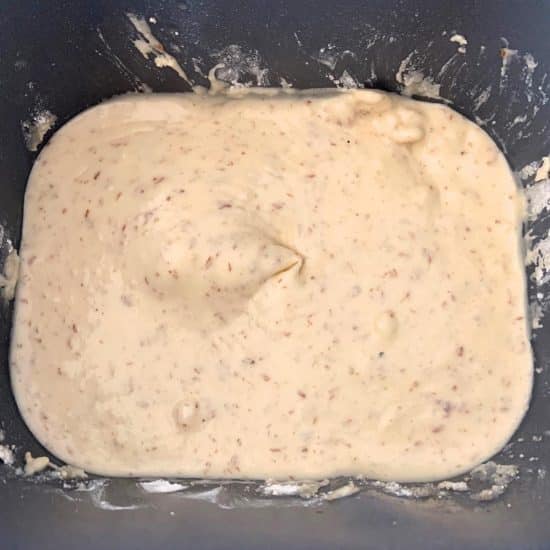
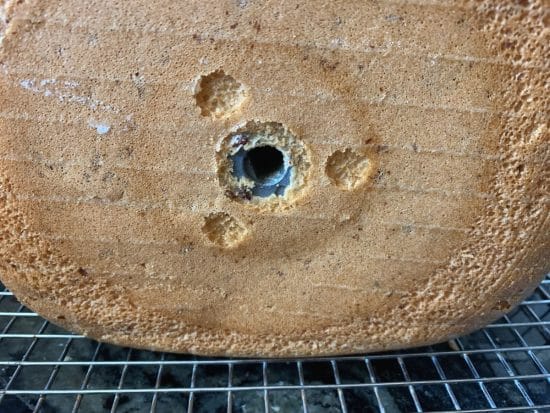
- The dough should look wetter than traditional bread dough and that’s exactly what you want. Once mixing stops, you can remove the paddle with long tongs or wait until the baking cycle is complete.
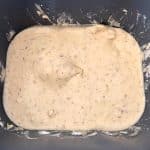
- When the cycle ends, let the bread sit in the pan for 5 minutes. Gently slide the bread out of the pan and place it on a cooling rack. This prevents the bread from overcooking and drying out from the residual heat in the bread pan.
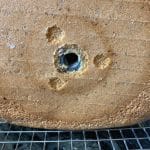
- The only downside to using a bread machine is the little paddle comes off into your bread. The bread stays hot for some time so I highly recommend you using tweezers or these pointed tongs to remove the paddle. It is easier to remove when the bread is hot.
- Do not slice the bread until it has fully cooled to room temperature!!! (I know it is tempting to eat warm bread, but this is critical!!) This helps the crumb set and prevents the bread from becoming gummy.
Notes
- Many bread machine recipe directions will say you can dump all of the ingredients into your bread maker. Do not do this! When you are mixing as many ingredients as are needed for gluten free bread, you risk the ingredients not getting mixed thoroughly, and that can affect how the bread turns out!
- Most yeast is gluten-free, except for Red Star Platinum. It has wheat. As always, check the ingredients label for any yeast you buy. Also, check the expiration date of the yeast to ensure it has not expired.
- Always use purified water when baking with yeast. Tap water often contains chlorine and other chemicals that can weaken or even kill your yeast, preventing your bread from rising properly. Choose filtered or bottled water free from these additives to get the best rise and texture.
- I prefer light oils, including avocado and canola oil. You can use other oils, but they may impart a flavor to the bread, which can be good or bad.
- Note: Cup4Cup recently changed its flour blend formulation to remove the dry milk powder. It behaves a little differently. I haven’t had a chance to retest this recipe with the new flour blend formulation, but two readers have and wrote to tell me the new blend works well. If you use Cup4Cup, add 3 cups Cup4Cup instead of the individual flour/starches. Omit the xanthan gum, vinegar, and flaxseed.
- WATER – For some reason, some readers have reported the middle caved from the batter being too wet, indicating there is too much water. Others don’t experience this. I am assuming it is the bread maker, they live at a high altitude, or if someone is using cup measurements. If you notice the bread sinks in the middle, use 1 1/4 cups of water.
- You can bake this bread in your oven. The full directions are here in my Gluten-Free Bread recipe.
- Store leftover bread in an airtight container. Gluten-free bread tends to spoil fast, so I recommend slicing the bread and freezing the slices. I flash freeze the slices, then put them in a freezer-safe zipper bag.
- Undercooked Bread: If the gluten-free setting underbakes, run a short “bake-only” cycle to finish browning. The gluten-free time/cycle settings differ for every machine and model number. I am not sure why this is, but I am noticing it. Here are things I noticed and some ideas to make your machine work in this recipe:
- High Altitude: Yeast can be more active. Use less yeast and consider baking in the oven instead.
- No Gluten-Free Cycle? If you have an older bread machine or one without a gluten-free setting, use the “Home Made” cycle: 20 min mix, 45 min rise, 90 min bake.
Email This Recipe To Me!
SPECIAL NOTE
Please know that every gluten free flour blend has a different starch to grain ratio. If you use a blend I didn’t test, my rule of thumb is to add more flour if your dough or batter is wet and add more liquid if the dough or batter is too dry!
Nutrition
Nutrition Disclaimer
Nutritional information is an estimate provided to you as a courtesy. You should calculate the actual nutritional information with the products and brands you are using with your preferred nutritional calculator.
More Gluten Free Bread Recipes:
I truly hope you enjoy this recipe. I have been testing and creating gluten-free recipes for over 15 years. Creating gluten-free recipes that do not taste gluten-free is my goal for every recipe. Sometimes I only have to test a new recipe a couple of times, and others it takes multiple times. I do this so you get reliable, delicious results every time!

Hello! I’m so excited to try this recipe out! My son is allergic to rice do you have a recommendation for a substitute?
Hi Shelby, I do have a rice-free flour blend, but I haven’t tested it in this recipe yet. https://www.fearlessdining.com/homemade-gluten-free-flour-blend-recipe-without-rice-flour/
What can use in place of xanthan gum…I’m allergic.?
Hi Min, I would recommend using either guar gum or psyllium husk powder. Please keep me posted.
So I got a bread maker for Christmas and used this recipe and made a loaf of bread this morning. I replaced the xanthan gum with guar gum as suggested and the bread was AMAZING. I haven’t had bread in a year and half and this recipe was PERFECT. Thank you and Merry Christmas!
Merry Christmas. I am so glad you got a bread maker. It is good to know guar gum worked so well so that you could enjoy fresh bread. You made my day, Min.
Hi Sandi – I noticed Min used guar gum with good results, but can you please advise how much psyllium husk powder you would try? I’m new to gluten free baking.
Hi Erin, I am not sure who Min is. I haven’t really done much with guar gum. If you are new to gluten free baking, I have a gigantic baking resources section that will be really helpful for you. I also talk about binders, why gluten free flour blend matters and why many 1:1 blends don’t work with yeast, baking tips, and a troubleshooting guide. As for this recipe, I would add 2 teaspoons of psyllium husk powder. https://www.fearlessdining.com/gluten-free-resources/
I’m using a mix of: 1/2 cup white rice; 1/2 cup brown rice; 1/2 cup oat flour; 1/2 cup tapioca and 1 cup arrowroot. I can’t have potato and don’t have sorghum. I’m struggling to get it right – too much water and it sinks (at only 1 1/4 cups water) and too little (just under 1 cup) it becomes a brick. Is it just my flours or is there something else that might be going wrong?
Hi Kate, since you are not using my flours I tested in the recipe. I am not sure how to help. You are using a lot of starches.
Absolutely love it. My go to recipe for our weekly loaf
I am so glad you loved my bread recipe. Thank you for coming back to let me know!
Great recipe! I made it as written (except I reduced the water to 1-1/4 cups), and I will be testing other flours in place of the sorghum. I don’t care for the taste of flax. Are you using this as a binder? Do you think I can leave it out, or use another egg as a binder?
Hi Tammy, I am glad you loved the bread. I would think it is okay to leave the flax out…it was more for texture.
I can’t get my dough to rise. I’ve tried 3 times in my bread maker and once in the oven. Brand new yeast and did everything as directions called for. It tastes delicious just wish it would rise. I’m not giving up!
Hi Amy, I am happy to troubleshoot. Are you using my combination of flours or a gluten free flour blend? Does your bread machine have a gluten free setting? Did you substitute any ingredients?
I am using cup4cup and yes it has a gluten free setting. No substitutes. I have one in right now. Fingers crossed! It has to be something I’m doing wrong.
Which Cup4Cup blend? They recently reformulated their blend to removed the dried milk powder. You can tell the new version by the front of the bag. Does yours say free of the top 9 allergens? I haven’t tested the new version in this recipe yet.
Sandi 5 star bread! I apologize for the 4 stars, I know it was my mess up not anything to do with the recipe. If I can change that I will.
I just took out a loaf from my oven and it’s beautiful.
Waiting on the bread maker to be finished but it looks like it rose nicely. My house smells amazing.
I used the a new bag of cup4cup that has “top 9 allergen free” on the bag.
I am so glad it all worked out, Amy!! I miss my house smelling like fresh baked bread and I need to remedy that soon LOL. Thank you.
Hi Sandi
I’ve been trying to find the perfect healthy gluten free bread recipe to make for my coeliac daughter for quite some time now, and I would love to try making your recipe. The only issue I have, we don’t have Cup4Cup in Australia, and I can’t get a non contaminated sorghum flour either.
Is there any other healthy flour I could use to replace the sorghum, and how would it effect the liquid amounts used?
Hi Jolanta, I do list out ingredients individually instead of Cup4Cup, but that does contain sorghum. I do have a sorghum free blend, but I haven’t tried it in this recipe. It should work, as this blend does very well in yeast recipes. https://www.fearlessdining.com/sorghum-free-and-gluten-free-flour-blend/
I was just wondering what temp your breakmaker bakes at fortis gluten free loaf. I had to do a custom cycle since my timings were so different preset but my loaf turned out very short (like 3in tall) and hit 210 degrees at only 70 minutes. wondering if my temp was off or something else?. I think the suggestion was 288 degrees and I just went with it. Thanks for any insight you have, I really want this bread to be as good as others have said it is!
Hi Heidi, That is a good question. I use a Hamilton Beach machine with a gluten free setting. I read the manual and I “think” it bakes at 350º F. It is hard to tell because it doesn’t break down the cycle temperatures.
So happy to have found this recipe. First try was a bit dense, so I reduced the water by 2 tsp, and added a full packet of yeast, which measures 2 1/4 tsp. Solved the problem. Thank you for creating and sharing this recipe.
I am so glad you found what worked for you and you enjoy the bread. I am not sure which flour blend you used, maybe that is why it was a little dense.
Recipe worked perfectly and tasted great. My loaf was a little short, but it wasn’t dense, so I think I did it right! The flour blend seems much healthier than buying a 1:1 white baking blend.
I am so glad you enjoyed this bread, Erin. Thank you so much. If the loaf was a little short, you may have used a 2 cup loaf setting on the bread machine. Which brand do you have?