
It can be scary getting a new diagnosis, especially one like Celiac disease or gluten intolerance. Eliminating gluten involves a huge life change, one that is difficult to do after you have lived eating gluten without a worry. I have been there, and I know how overwhelming it can be. Grab my virtual hand and let me guide you through this introduction to gluten free living.
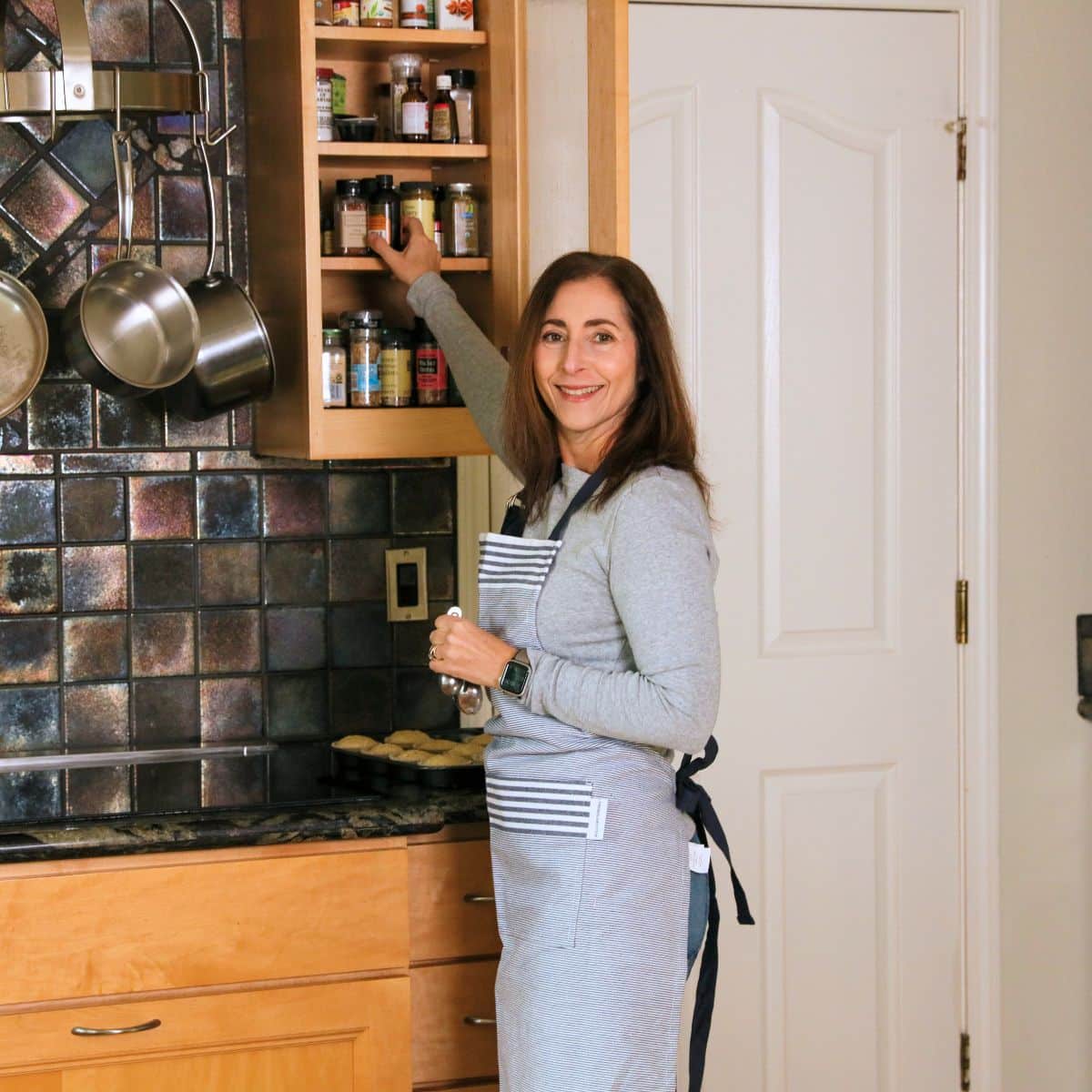
Hi and welcome! I know this article is really long, so I want to encourage you to use the extensive Table of Contents to jump to any section you want to learn from.
How to Eat Gluten Free Anywhere
I still remember standing in the grocery store in 2010, holding a bag of rice flour and wondering what on earth I was supposed to do with it. My family had just gone gluten free, and I was completely overwhelmed. Nobody handed me a roadmap. My doctor gave me a brochure, pointed me toward the exit, and that was that. There weren’t even any loaves of gluten free bread for sale in grocery stores!
Over time, I figured it out the slow way, through a lot of trial and error, some truly terrible baked goods, and more than a few tears over a collapsed loaf of bread. I think my kids even threatened to run away a few times! That overwhelming experience is exactly why I built my blog and this guide. I want you to have the clear, honest starting point I never had.
Whether you were just diagnosed with celiac disease, suspect you have a gluten sensitivity, or someone in your family needs to go gluten free, this post will walk you through everything you need to know to get started with confidence.
If you are new to gluten-free living, you will want to check out all of my Gluten Free Resources to learn how to cook, bake, dine out, and thrive with a gluten-free lifestyle!
Your recipes and encouragement especially when we were newly diagnosed were so incredibly helpful and got us through some rough times. Thank you. We appreciate you!”
Terri S., Facebook comment
What is gluten, and does it matter?
Gluten is the protein found naturally in wheat, rye, and barley. Think of it as the ingredient that acts like a glue, holding baked goods together and giving bread its chewy, stretchy texture. It is everywhere in a standard American diet, which is why eliminating it makes you feel so overwhelmed when you are diagnosed.
For people with celiac disease (like me), gluten triggers an autoimmune response that damages the small intestine. It is not a preference or a fad; it is a medical necessity. For others, gluten sensitivity or intolerance can cause bloating, brain fog, fatigue, skin issues, and other symptoms that improve significantly on a gluten-free diet.
If you suspect you have celiac disease or a gluten intolerance, please talk to your doctor before removing gluten from your diet. The diagnostic testing, including an upper gastrointestinal endoscopy, requires you to be eating gluten, and it must be in your system for some time to get an accurate result. Once you go gluten free, that window closes.
😢 Sandi Says: I know many readers who have had to start eating gluten again for 6 weeks to get testing done, and it is a miserable experience. Tell your doctor to run testing as soon as possible so you can safely remove it from your diet.
Read more about hidden gluten and how to read labels.
Here Is the Good News: There Is So Much You Can Still Eat!
I know the list of eliminated foods feels really long right now. But I want to flip the perspective for you, because the list of what you CAN eat is actually enormous.
Naturally gluten-free foods include:
- All fresh fruits and vegetables
- Meat, poultry, fish, and seafood (unbreaded and unmarinated)
- Dairy products like milk, cheese, butter, and plain yogurt
- Eggs
- Beans, legumes, and lentils
- Nuts and seeds
- Rice, corn, quinoa, buckwheat, amaranth, millet, sorghum, teff, and flax
Gluten-free versions of your favorite comfort foods absolutely exist, and many taste really similar. Gluten free has come a LONG way over the past 10 years. I have made everything from flaky gluten-free pie crust to crusty gluten free sourdough to crispy gluten free fried chicken without giving up on taste and texture. It takes a little learning, but it gets much easier, I promise!
You may also enjoy reading up on how to identify if a restaurant understands cross-contamination. Keep reading; there is a whole section on restaurant dining while gluten free below!
What Should I Avoid and Hidden Gluten Sources:
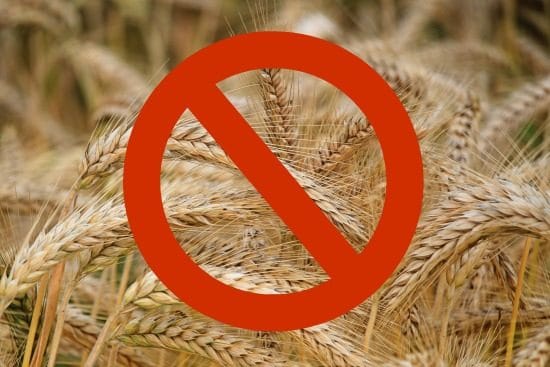
The obvious culprits are bread, pasta, crackers, cereals, and baked goods made with wheat flour. But gluten has a way of hiding in places that catch people off guard, especially when you are first starting out.
Common hidden gluten sources:
- Medications and supplements (yes, really!)
- Soy sauce (use tamari instead; this is my go-to)
- Soups, gravies, and sauces thickened with flour
- Salad dressings and condiments
- Spice blends and seasoning packets
- Pickled foods made with malt vinegar
- Hot dogs and processed deli meats
- Snacks and candy (beef jerky, licorice, chips, granola, etc.)
Oats deserve a special mention because there is a lot of confusion around them. Oats are naturally gluten free, but are almost always contaminated during harvesting and processing. Only buy oats with a gluten-free label on the package. This label indicates the oats were grown under a purity protocol to keep those who are gluten free safe. Start slowly and pay attention to how your body responds.
👀 Sandi Says: Gluten Free Watchdog does ELISA testing on gluten free products and oat brands. Her archive of oats testing has a lot of helpful information.
For a comprehensive list of where gluten can be hiding in foods, I recommend reading the list on Celiac.org. Hidden gluten on food labels is a HUGE concern, and there needs to be clearer labeling. It is very well written, and I bet some of the foods listed will surprise you!
I also highly recommend you check all medications and supplements that you take. Prescription and over-the-counter drugs can also be a source of hidden gluten. I check every medication at Daily Med, which runs through a government program. You can check any medication by generic or brand name.
Setting Up Your Gluten-Free Kitchen
Before you cook a single thing, your kitchen needs a few ground rules. Cross-contamination is a real concern, especially if you share a kitchen with gluten eaters.
The basics of a safe kitchen setup:
- Get a dedicated toaster. Gluten crumbs in a shared toaster are enough to cause a reaction.
- If you use an air fryer, you need a separate one for gluten free. There is one brand, Ninja Foodi Dual Zone, that has separate fans, and you can use that as long as one side is dedicated to gluten-free.
- Use separate colanders and cutting boards for gluten-free pasta and breads. The microscopic holes and scratches trap gluten proteins and are nearly impossible to clean fully.
- Store gluten-free flours and ingredients in clearly labeled, sealed containers.
- Wash hands, surfaces, and utensils thoroughly before preparing gluten-free food if others in the house eat gluten.
If everyone in your household is going gluten free, the kitchen transition is simpler. Just replace what you have with gluten-free versions as you run out, and do a one-time deep clean of your cooking surfaces.
Building a gluten free pantry:
My number one piece of advice when setting up your pantry is to start simple. Do not go out and buy every gluten-free product on the shelf, trust me on this. Instead, stock your kitchen with whole, naturally gluten-free foods first, and add specialty products gradually as you learn what you like.
When it comes to gluten-free flours, things get a little more complicated, and I have a whole Gluten-Free Flour Blend Guide to walk you through the options. The short version: different flour blends behave very differently in baking because each has a different starch-to-grain ratio, so matching the right blend to the right recipe matters. My pantry guide lists exactly which flours I reach for and when.
Here is a sneak peek at my pantry guide. This is an excellent resource for the best brands of gluten free baking flours, cooking tools, and gluten free pantry items like oils and nuts that any foodie or home cook will love! These are all of the gluten free brands I love and use all the time.
Where to Start in the Kitchen:
When you are new to gluten-free cooking, I always recommend starting with recipes that feel familiar and are naturally easy to make gluten free. Dinners built around rice, potatoes, or naturally gluten-free proteins are great entry points because they do not require specialty products.
Here are a few of my most popular recipes that are perfect for beginners:
Easy weeknight dinner recipes:
- Grandma’s Homemade Chicken Soup – This is my Grandma’s recipe, and it has hundreds of excellent reviews!
- Gluten Free Salisbury Steak – Easy comfort food you can make in 30 minutes.
- My kids’ favorite is Gluten Free Fried Rice – Use any protein to make it great!
Easy comfort food you didn’t realize you could have:
- Gluten Free Pizza Crust -This gluten free pizza crust makes the best gluten free pizza I’ve ever eaten!
- Slow Cooker Gluten Free Mac and Cheese – Creamy and delicious. If you don’t have a slow cooker, use my classic Gluten Free Mac and Cheese recipe.
- Gluten Free Hamburger Helper – It tastes way better than any box mix!
Don’t worry about making gluten free pasta. This How to Cook Gluten-Free Pasta guide will teach you the right way to avoid mushy pasta.
Beginner-friendly baking:
- Gluten Free Chocolate Chip Cookies – A tried and true classic.
- Gluten Free Vanilla Cake – A bakery-quality cake good enough for any celebration.
- Gluten Free Biscuits – They turn out so light and flaky!
- Homemade Gluten Free Bread Machine recipe – This fluffy bread doesn’t taste gluten free.
A Note on Gluten Free Baking:
Gluten-free baking is genuinely different from conventional baking, and knowing that upfront will save you a lot of frustration. Without gluten acting as the glue, gluten-free doughs and batters behave differently. They can be stickier, more fragile, and fall apart, or turn out more dense if you do not account for what gluten was doing in the original recipe.
Swapping a gluten free 1:1 flour blend for a wheat flour in a regular recipe has a high failure rate because every single brand of gluten free flour behaves differently.
I have put together a full set of baking resources to guide you through learning how to bake gluten free, from troubleshooting flat cookies and gummy bread to understanding which flour blend to use for which recipe. The most important thing I can tell you is this: do not give up after one bad result. Gluten-free baking has a real learning curve, and every baker I know who sticks with it gets good at it.
Start with my Gluten-Free Baking Tips guide, so that you can bake gluten free like a pro! If you run into problems, check the troubleshooting guides for cookies, cakes, bread, pie, and muffins.
I have 800+ gluten free recipes on my blog, which can be searched on my Recipe Index.
I have become an avid baker and I have you to thank for that. Your recipes are wonderful and your helpful hints and tricks are a lifesaver!”
Rebecca E., Facebook comment
How Do I Start a Gluten Free Diet?
It is best to check with your doctor before consuming a gluten-free diet. It is important to get a Celiac disease screening test if you suspect you may have an issue with gluten. Once you are gluten free, you can’t get this testing done because gluten has to be in your system for a Celiac test to register any issues.
How Long Does It Take To See Results?
Do your best to stick with the gluten free diet for at least 45-60 days to fully experience the effects of a gluten free diet on your body.
The temptation is everywhere when you’re first learning how to eat gluten-free. Try not to cheat. If you accidentally ingest gluten, which can happen when you dine out, try a supplement called Glutenese to lessen the symptoms. (I often find that when you go gluten free and your body begins to heal, your symptoms after eating gluten can worsen.)
Take before and after pictures or write a journal to document your transition. Keep track of the gluten free foods you like.
Eating Gluten Free When You Are Not at Home
Dining out is one of the hardest parts of going gluten free, and it does get easier as you get more confident asking the right questions. The biggest thing I learned is that a gluten-free menu item does not automatically mean the restaurant understands cross-contamination. I have been served gluten-free pizza on the same pan used for regular crust. I have had gluten-free pasta cooked in the same water as regular pasta.
My rule before I eat anywhere new: I call ahead. Ask whether the kitchen has a separate prep area for gluten-free orders, whether the fryer oil is shared, and whether the staff has celiac training. The answers tell you a lot about how seriously they take it. These Gluten Free Dining Tips should help guide your questions.
If you are going to a party, out to dinner, or having dinner at a friend’s home, you can avoid potential exposure to gluten by taking these condiments with you.
Important articles I have written to help you learn about gluten cross-contamination:
- The Top 6 Questions to ask a pizza restaurant about cross contamination – Just because a pizza restaurant has a gluten free pizza does not mean it is safe for you to eat.
- Gluten in the Wine Making Process – What you need to know about wines. Not only can gluten be an issue, but you must read this article if you have an egg allergy.
- What to Know to Keep your Allergic Child Safe at that Overnight School Field Trip. – Know what to do to prepare for that overnight school field trip. Printable allergy cards, allergy reaction sheets, and more!
- Top 7 Tips for Safe Gluten Free Dining at a Sushi Restaurant – Know how to avoid cross-contamination while dining out at a sushi restaurant.
For a deeper look at how to evaluate a restaurant and what questions to ask, read my Safe Gluten-Free Restaurant Dining guide. And my Top 10 Scary Things Restaurants Have Told Me will open your eyes to exactly why asking questions matters.
When Does It Start to Feel Normal?
I get asked this question a lot, and I want to give you an honest answer: most people start feeling noticeably better within the first six to eight weeks of consistently eating gluten free. I say consistently because even small amounts of gluten, hidden in a sauce or accidentally cross-contaminated, can keep symptoms going.
What I remember most about my own first few months is that reading labels took forever. Every grocery run felt like homework, and not the fun kind. But somewhere around month two or three, it became easier. I knew which brands I trusted, I had a rotation of reliable recipes, and I stopped feeling like I was missing out on everything.
Give yourself grace during this transition. You are going to accidentally eat gluten sometimes, especially when you are eating out or traveling. It happens to all of us. If you do get glutened, a supplement called Glutenase can help ease the symptoms, though it is not a substitute for avoiding gluten in the first place.
Keep a simple journal for the first few weeks to track how you feel. Take note of what you ate, how you felt, and what changed. This is not about being obsessive; it is about giving yourself data that helps you connect the dots, especially when symptoms appear 24 to 48 hours after exposure rather than immediately.
One Thing Most People Do Not Think About: Nutrition Gaps
Gluten-free diets can be lower in nutrients than regular foods, especially if you rely heavily on fortified, processed gluten-free products and packaged foods. The good news is that eating plenty of whole, naturally gluten-free foods, vegetables, fruits, beans, nuts, and naturally gluten-free grains like quinoa and brown rice, fills most of those gaps without any extra effort.
I would also recommend asking your doctor to run a basic nutrient panel when you first go gluten free and again at six months. It gives you a good baseline and helps catch any deficiencies early. I personally take a B-complex and keep my iron levels checked, since iron deficiency is common in people with celiac disease who are still healing
And if you want a clear, organized plan for getting through those first overwhelming weeks, sign up for my newsletter, and I will send you my free New to Gluten-Free Starter Guide. It is exactly what I would have wanted someone to hand me in that grocery store in 2010.
Follow along with me on Facebook, Pinterest, and Instagram. I am also posting longer recipe tutorials on my YouTube Channel.
As always, feel free to reach out with any questions, comments, or feedback.