

Choosing the right gluten-free flour can make or break a recipe. One small change in a flour blend can mean cookies that spread too much, cakes that crumble, or bread that never rises.
I have spent over 15 years testing gluten-free flour blends, both store-bought and homemade, across hundreds of recipes, from sandwich bread and pizza to cookies, cakes, and pancakes. In this guide, I will show you which gluten-free flour blends work best for each type of baking, why they behave differently, and how to avoid the most common mistakes that lead to disappointing results.
Whether you are new to gluten-free baking or frustrated with inconsistent outcomes, this post will help you choose the right flour for the job, so you stop wasting ingredients and start getting reliable results.
❤️ Sandi’s Summary
I have spent more than 15 years testing gluten-free flour blends in real kitchens, not just once, but across hundreds of bakes. This guide breaks down which gluten-free flours work best for bread, cookies, cakes, pizza, pancakes, pie crust, frying, and pasta, along with what to avoid so your recipes actually turn out.
I will share how flour blends differ, why binders matter, and how small changes in starch-to-grain ratios affect texture, rise, and moisture. Use the Table of Contents to jump straight to the type of baking you are doing, or read through if you want a deeper understanding of how gluten-free flour really works.
If you are a gluten-free newbie, check out all of my Gluten-Free Resources. I have many pantry recommendations as well, so you have everything you need for free baking.
To learn more, read Why Gluten-Free Flour Blends Vary.
This post may contain affiliate links. Please read our Disclosure Policy.
Quick Answer: Which Flour Blend Should I Use?
- Bread with yeast: Authentic Foods Steve’s Gluten-Free Bread Blend (by far the best), Cup4Cup, or my DIY Gluten-Free All Purpose Blend
- Cookies and bars: King Arthur Measure for Measure, Bob’s Red Mill 1:1, and Namaste
- Cakes and cupcakes: King Arthur Measure for Measure, Bob’s Red Mill 1:1, and Namaste
- Pie crust and biscuits: Cup4Cup, Better Batter Original, and King Arthur Measure for Measure
- Frying: Bob’s All Purpose (red bag) for savory and Cup4Cup for sweets.
What makes gluten-free flour blends so tricky in baking?
Unlike wheat flour, gluten-free blends don’t behave the same from brand to brand. That is because each blend has a different grain-to-starch ratio, which affects the moisture level. Some gluten-free flour blends include binders to hold baked goods together (such as xanthan gum), while others do not. The order of ingredients on the label can indicate if it is grain- or starch-heavy.
To learn more, read Why Gluten-Free Flour Blends Vary.
Best Gluten-Free Flour Blends by Baking Type:
I will break down this list by sharing my favorite gluten-free flour blends for each type of baking you can do. Many blends work in several types of recipes, while others do not.
Best Gluten-Free Flour For Bread (Yeasted):
Each of these blends has been tested in my kitchen in specific recipes. I have included links so you can try them yourself. Avoid any 1:1 blend unless the brand website specifies that the blend works with yeast. Note: King Arthur Measure for Measure, Bob’s 1:1, and many others do not work in yeast recipes!
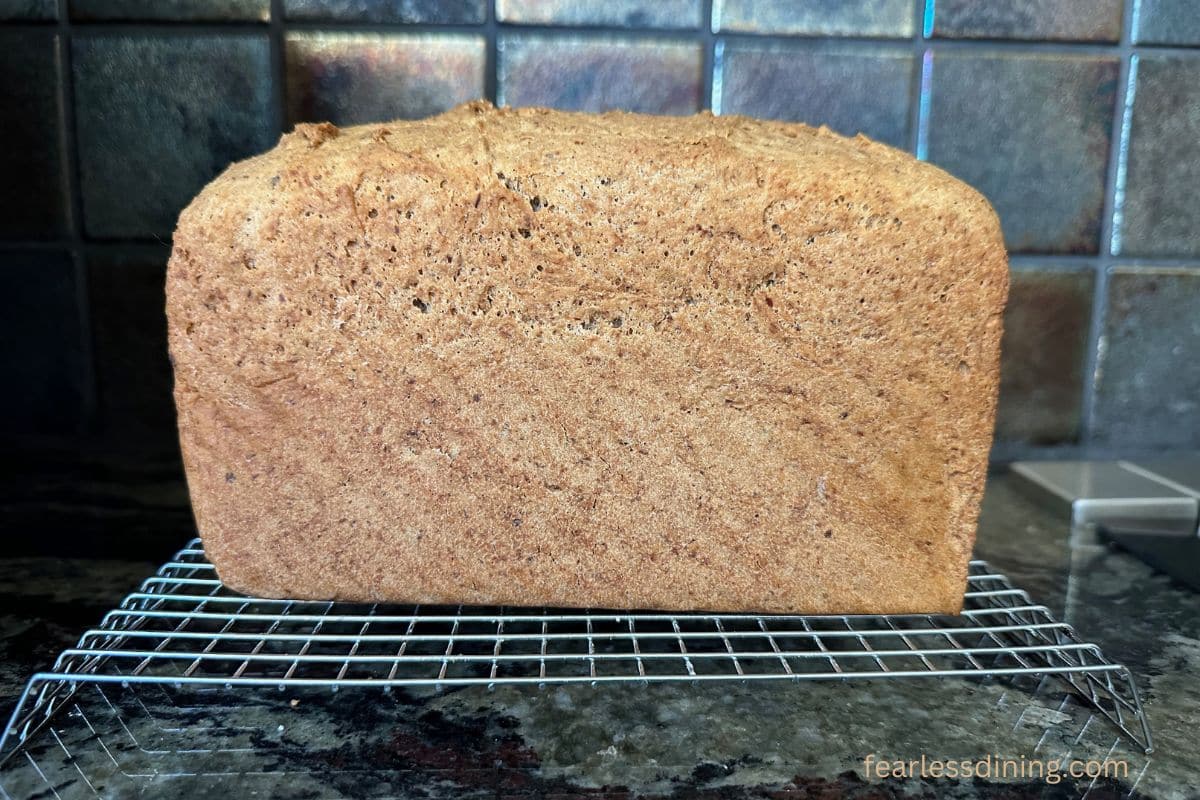
- Authentic Foods Steve’s Gluten-Free Bread Blend – My all-time favorite gluten-free bread flour, especially for shaped bread and rolls. You can braid it, as I do in my Gluten-Free Challah recipe, or roll it as in my Gluten-Free Cinnamon Rolls recipe. This flour is life-changing! (Note, it doesn’t work in bread machines!)
- GF Jules – Jules GF Flour Blend is also delicious. It is slightly starchy compared to the other blends I listed, but the bread turns out nicely. I used Jules flour to make this Gluten-Free Sourdough Bread loaf.
- Better Batter – Better Batter is another blend that works well in yeast recipes. They offer a regular blend and a gum-free blend, both of which are free from xanthan gum. Many use this flour, but I find it really expensive. They often run sales on their website, so I recommend waiting for one.
- Cup4Cup – Cup4Cup works well in yeast recipes. They offer a variety of flour blends. I used their whole-grain blend (in the green bag) to make these Gluten-Free Yeast Rolls. They almost taste like wheat bread!
- My DIY Gluten-Free Flour Blend, Gluten-Free Rice Flour Blend, and Sorghum Flour Blend. These all work with yeast. See my homemade gluten-free flour blend recipes
I have a great Gluten-Free Bread Troubleshooting Guide for even more gluten free bread baking tips. If you are new to baking gluten-free, check out my recommended tools for making bread.
Best Gluten-Free Flour For Cookies:
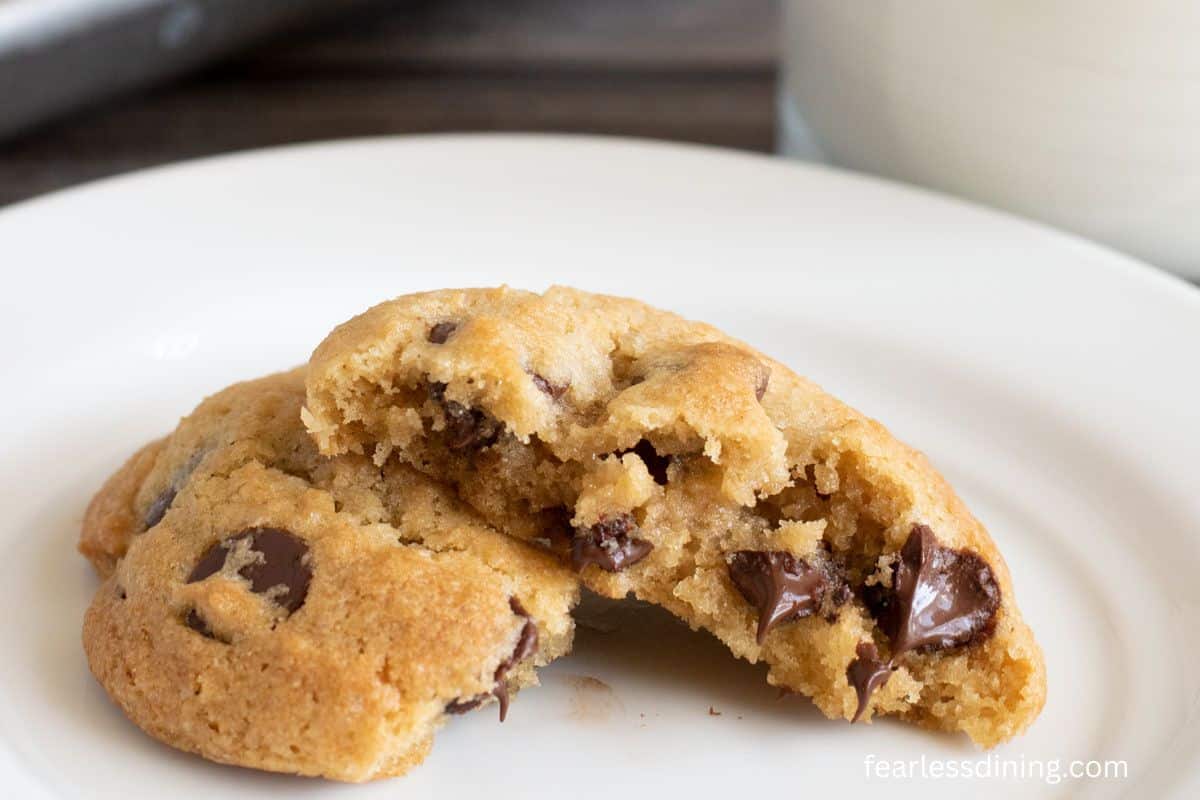
One thing I love about making gluten-free cookies is that you don’t need to use an expensive flour blend to make them. The secret to using a less expensive flour blend is to let the batter sit, allowing the grittiness of the ground rice flour to soften.
- King Arthur Measure For Measure – One of my favorites for cookies, it is also economical. You can find it at most local grocery stores. Try it in these Gluten-Free Butter Cookies or my popular Gluten-Free Toll House Cookies.
- Bob’s Red Mill 1:1 – I find this flour blend nice but slightly grittier than King Arthur. Let a batter made with this blend sit for 15-20 minutes, and you will love the results. Try it in these Gluten-Free Chocolate Crinkle Cookies.
- Namaste – I am starting to use the Namaste brand more in my recipes. It is one of the only organic flour blends. I do find that recipes need a little more moisture with this blend. Sometimes you need to add one tablespoon of extra butter when using this blend because it has a higher grain ratio.
I also share a ton of tips and troubleshooting advice in my Gluten-Free Cookie Troubleshooting Guide.
Email This Recipe To Me!
Reader-Tested Cookie Flour Blends
Over the years, readers often share which flour blends they use in my recipes. The following are gluten-free flour blends they use in my cookie recipes:
- Target Good and Gather
- Cup4Cup
- Better Batter
- Robin Hood (reader note that this blend usually needs 1/16 more flour)
- Divided Sunset
- Arden Mills
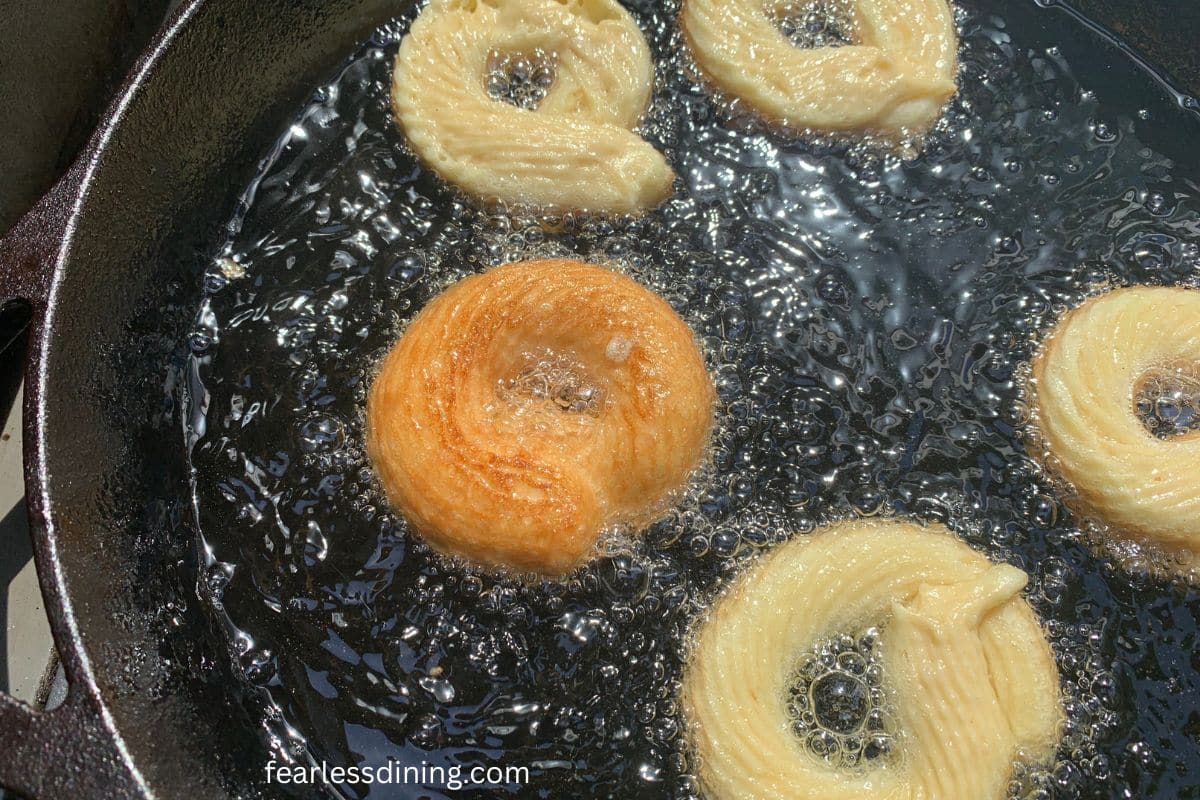
Best Gluten-Free Flour For Frying (Sweet and Savory):
- Bob’s Red Mill All-Purpose Flour is available in the Iconic Red Bag. It contains some bean flour, so only use this in savory recipes. Try it with this Gluten-Free Chicken Fried Steak or this Gluten-Free Fried Chicken.
- Cup4Cup works for sweet recipes like these Gluten-Free Fried Donuts.
- King Arthur Measure For Measure is easy to use in my Gluten-Free Apple Fritters recipe.
- Bob’s Red Mill 1:1 works well for non-yeasted fried treats. I used it in my Gluten-Free Funnel Cakes recipe.
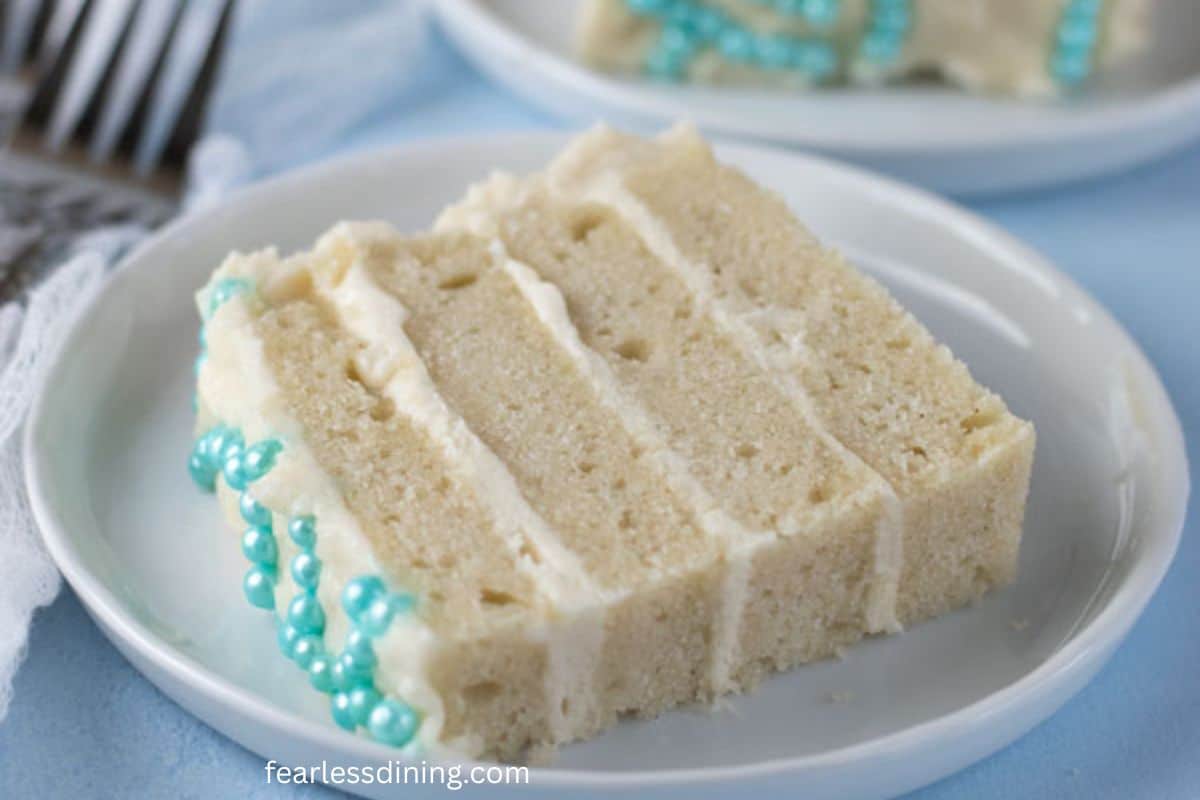
The Best Gluten-Free Flour For Cake and Cupcakes:
You do not need an expensive flour blend to make cakes, cupcakes, loaf cakes, or quick bread. As I mentioned above, with cookies, you can use a less expensive gluten free flour blend to make these items.
- King Arthur Measure For Measure – I used this flour along with some almond flour to make the Gluten-Free Lemon Cake pictured above. I also love this flour for my Gluten-Free Vanilla Cake recipe, which is featured in this Gluten-Free Wedding Cake recipe.
- Cup4Cup – This is a nice flour blend that works well for cakes. It is more expensive than the King Arthur Measure For Measure, so I don’t use it this often for cake.
- Authentic Foods Steve’s Cake Flour – I have only tested this new flour blend once in my Gluten-Free Banana Cupcakes recipe, and it worked well. This blend is not inexpensive, but if you’re concerned about grit or dislike less expensive brands, consider using it for cakes and muffins. I needed about 3 TBSP to 1/4 cup less of this flour than other blends.
- Pillsbury Gluten-Free Flour – This flour was a big surprise. I have tested it in most of my Gluten-Free Mug Cakes recipes, and it worked so well!
If you love baking, I have a great Gluten-Free Cake Troubleshooting Guide to help you prevent any baking fails. Having the right tools for baking cakes can be daunting. Here are the tools I use to make cake.
The Best Gluten-Free Flour For Pizza:
When making pizza, you must use a gluten-free flour blend that works well with yeast. As mentioned in the bread section above, some blends state on their packaging that they are not compatible with yeast. If you are making pizza, try this simple homemade Gluten-Free Pizza Sauce.
- Cup4Cup – This blend is my favorite for making yeasted pizza dough. It is easy to use and works well with yeast. Try my Gluten-Free Pizza Crust recipe, or make these Gluten-Free Pizza Rolls!
- Pillsbury Gluten Free – This blend was a surprise to me. It worked well in my Gluten-Free Deep-Dish Pizza recipe.
- My DIY gluten free flour blend recipe works very well for pizza crust.
If you prefer a 1:1 blend, try my Gluten-Free Yeast-Free Pizza recipe. Since there is no yeast, any blend will work.
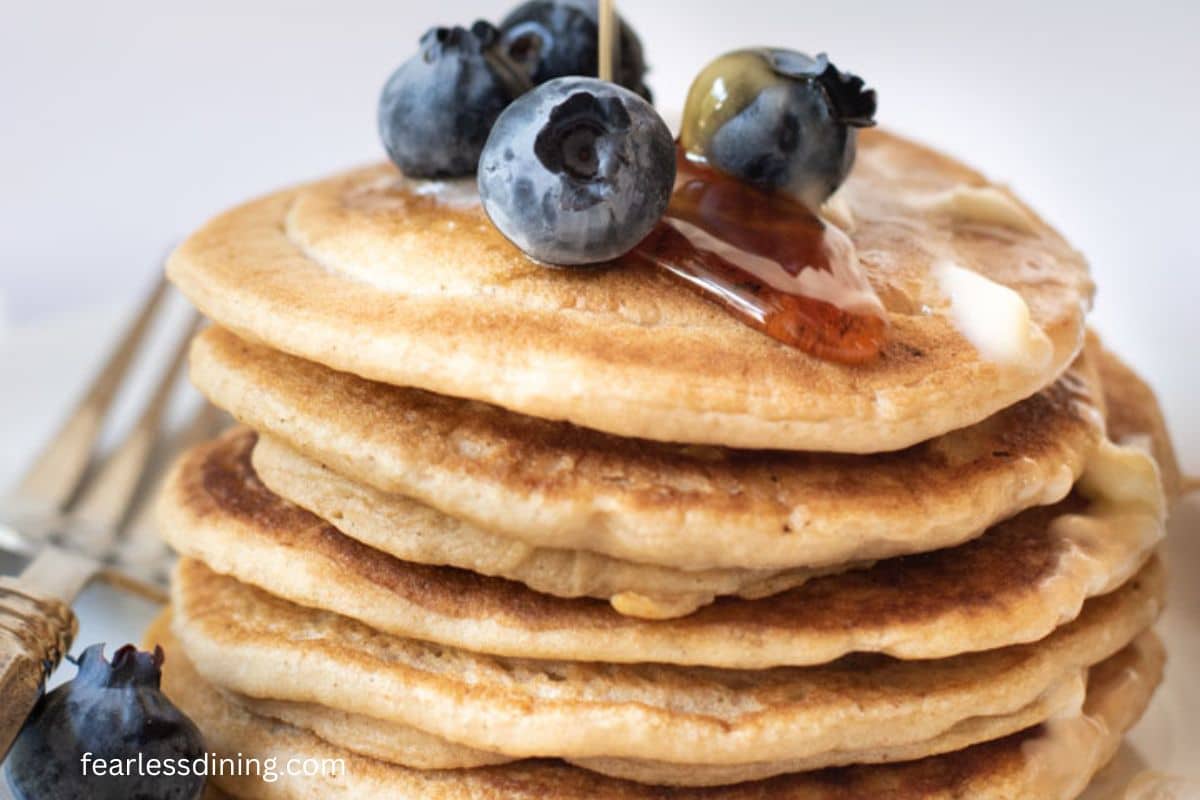
The Best Gluten-Free Flour For Pancakes:
If you love fluffy pancakes, these are my favorite flour blends:
- King Arthur Measure for Measure is my go-to for pancakes. Let the pancake batter sit for 15-20 minutes, as I often recommend. This will help make them softer, and it eliminates any potential grittiness. Try it in my fluffy Gluten-Free Pancakes recipe
- Bob’s Red Mill 1:1
- Pillsbury GF
- Namaste Flour Blend
The Best Gluten-Free Flour For Pie Crust:
The Cup4Cup (old version) with dried milk was my #1 choice for pie crusts because it helps make pie crusts extra flaky and delicious. Their new formulation is also great. Try it in my popular Gluten-Free Pie Crust recipe.
My gluten-free cake and pastry flour blend creates big, flaky layers for pie crusts.
King Arthur Measure For Measure, Bob’s Red Mill 1:1, and Jules GF are good flour blends for making gluten-free pie crusts. If you use Bob’s or King Arthur blends, let the dough sit in the refrigerator for 15-20 minutes.
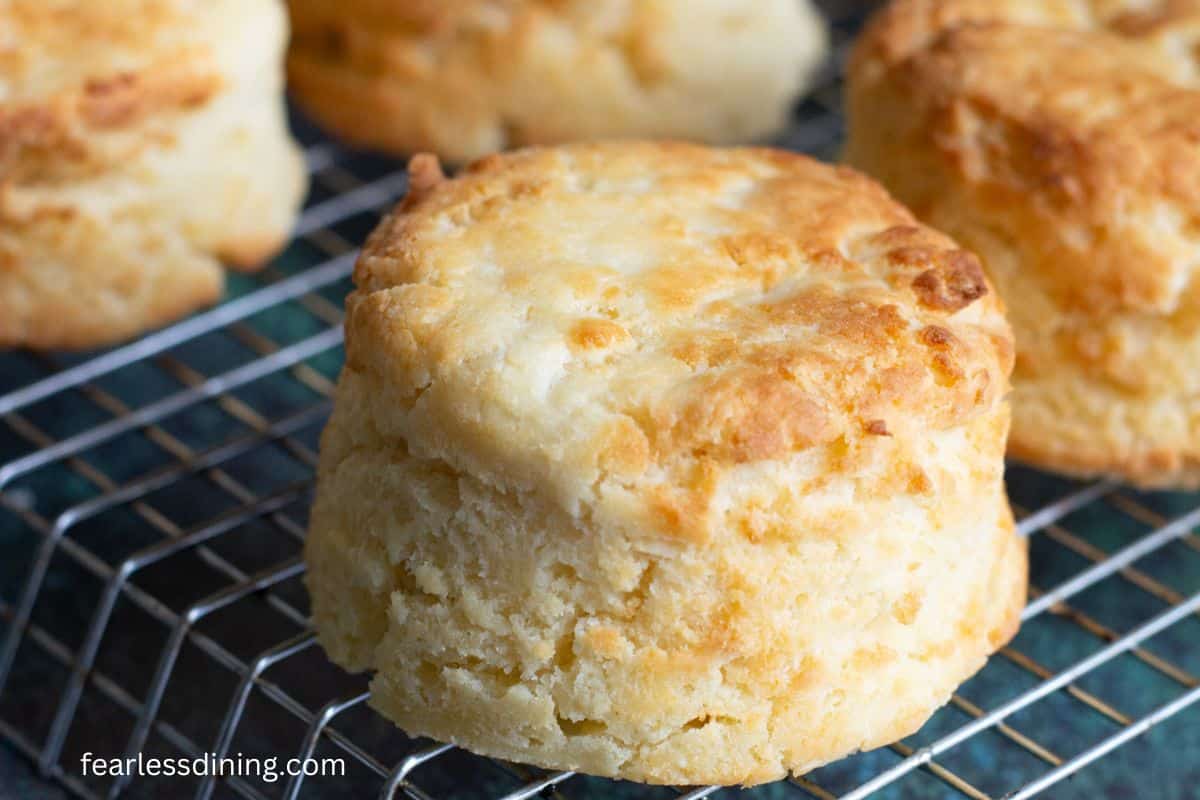
The Best Flour For Gluten-Free Biscuits
My traditional Gluten-Free Biscuits recipe gets rave reviews. I tested 12 different gluten-free flour blends to determine which one worked best for biscuits. My favorites are:
- Cup4Cup was my favorite as it rose the highest.
- Better Batter
- King Arthur Measure for Measure
- Bob’s Red Mill 1:1
- Pillsbury
- Gluten-Free Bisquick was okay, but read my tips to make Gluten-Free Bisquick Biscuits to avoid them from tasting gritty.
I also have a lot of fun flavored gluten-free biscuit recipes, such as brown sugar cinnamon and cornmeal.
Best Flour For Gluten-Free Pasta
I have only tested Cup4Cup gluten free flour to make homemade gluten-free pasta. It worked well running through my standing mixer’s gluten-free pasta attachment. If you want to try making pasta from scratch, you will love this Gluten-Free Ravioli recipe.
Advanced Baking: Individual Gluten Free Flours:
(If you prefer using a commercially blended product, skip this section.)
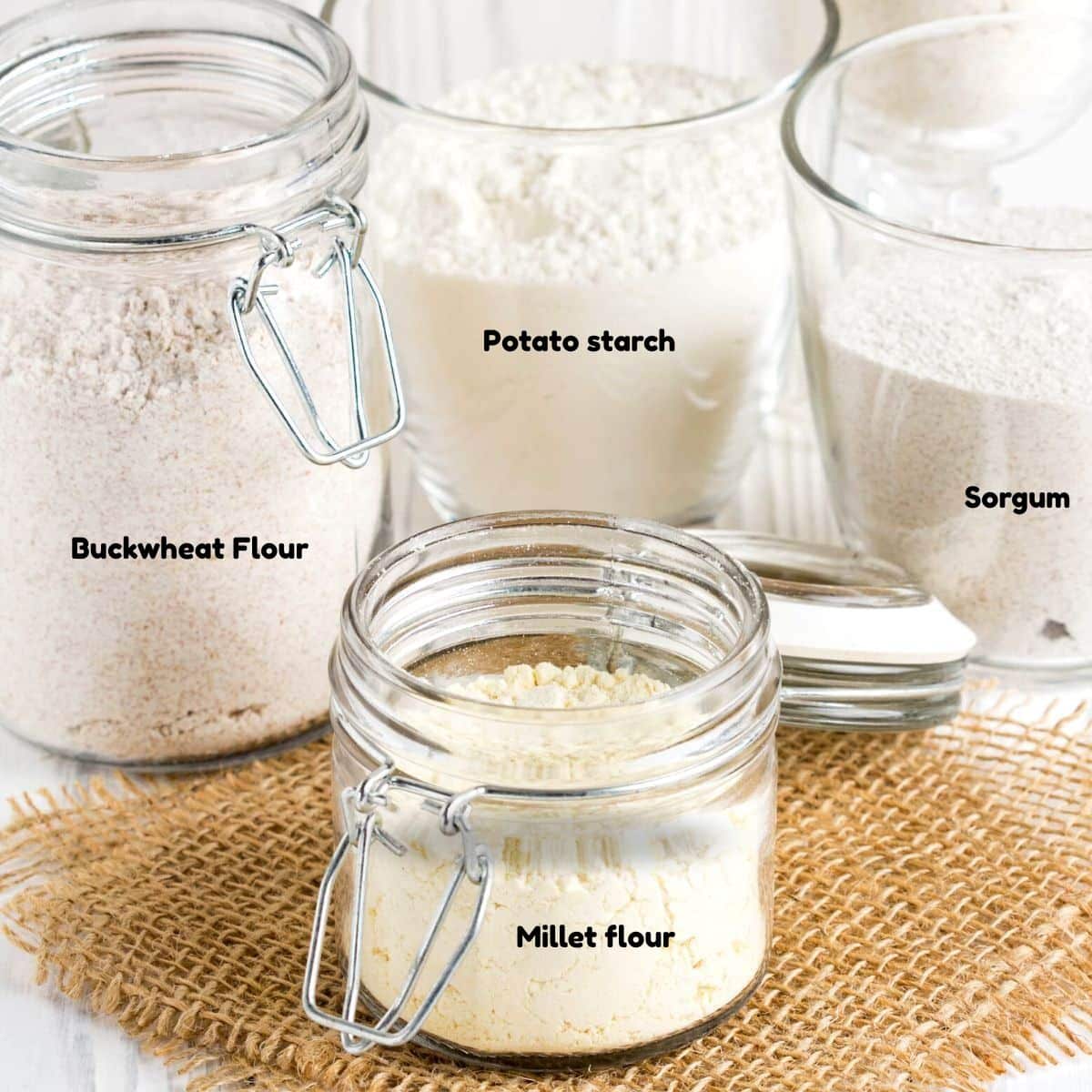
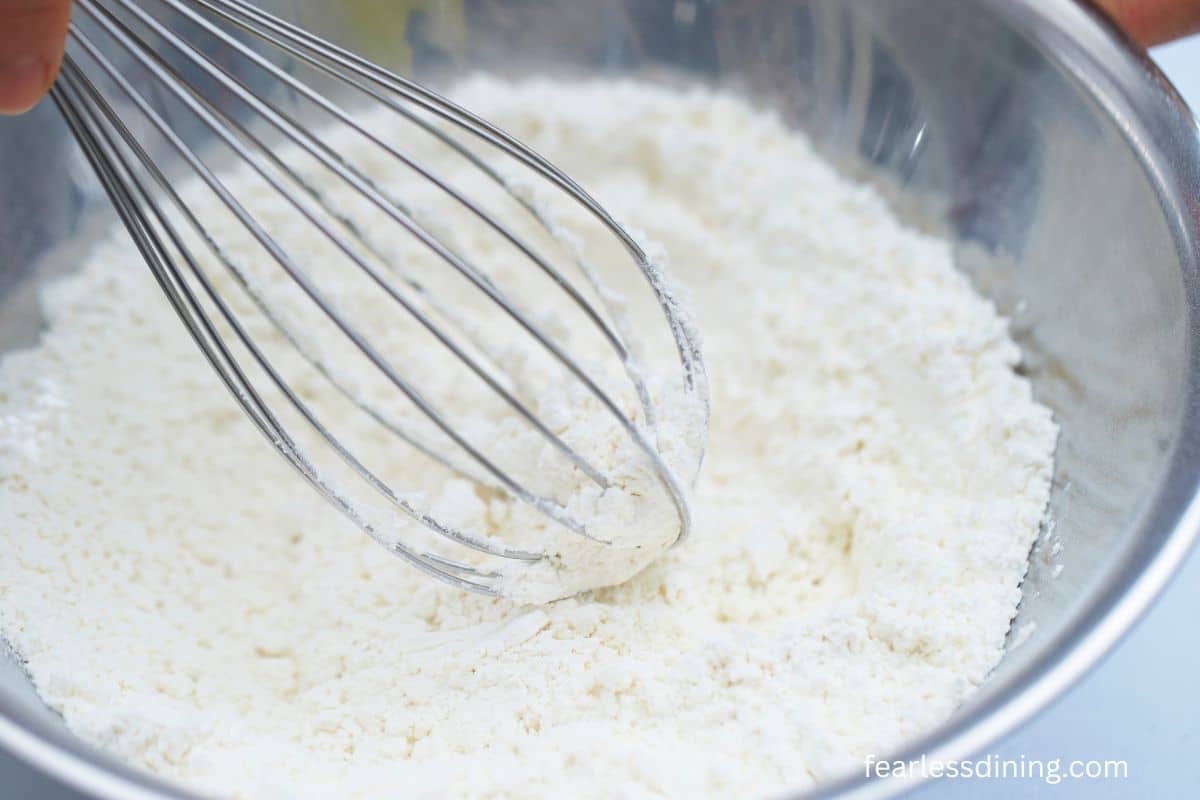
Individual gluten-free flour types can work in baking, but you need to combine them with other flours and starches, plus a binder, for them to work well in a gluten-free recipe. I use a custom blend in my Gluten-Free Bread Machine Bread recipe.
- Sorghum Flour – This is a flour I love using in my blends. Sorghum Flour is light, but not starchy. It has a very mild flavor and absorbs liquids well.
- Rice Flour – Typically, brown rice flour is used, but some commercial blends include both brown rice flour and white rice flour. If rice flour isn’t milled very finely, it can leave a grittiness to your baked goods. I only use Authentic Foods brand rice flour because this brand mills its rice flour extra fine, which means no grit. Any batter or dough made with rice flour should sit for 20-30 minutes before baking.
- Mochiko (Sweet White Rice Flour) – This natural gluten-free flour is the star of my Hawaiian Butter Mochi. It is sweet and light. It is well known for fluffy Mochi Waffles and these Mochi Muffins. I love how inexpensive this flour is.
- Millet – Millet is another gluten-free grain that mills nicely for blending with other gluten free grains. I haven’t used it in any recipes, but I am loving it in my Gluten-Free Whole Grain Flour Blend recipe.
- Oat Flour – Oat flour is easy to use in a blend, but it is critical to use gluten-free oat flour.
- Buckwheat – Buckwheat is a strongly flavored gluten free flour. It has an almost nutty flavor. It is a nutritious flour, more so than plain rice flour. The name of this grain is misleading because buckwheat is gluten free. I typically blend it with another flour to mellow out the flavor. Try these Gluten Free Buckwheat Pear Pancakes.
- Cassava Flour – Cassava is made from the ground root of the cassava plant. It is popular in the keto and paleo realms. Try it in these Cassava Flour Pancakes.
- Tapioca Starch – Tapioca starch is similar to cassava flour, but fluffier. Tapioca is the starch extracted from the cassava root. It is powdery light and is an excellent addition to gluten-free flours. It is a good alternative to cornstarch or potato starch.
- Potato Starch – Potato starch is an inexpensive, common starch used in many gluten free flour blends.
- Cornstarch – Cornstarch is also an inexpensive, commonly used starch.
- Binders – Xanthan gum, guar gum, and psyllium husk. These are the glues needed to hold gluten free baked goods together.
Learn more about binders in my Guide to Binders in Gluten-Free Baking. If you are new to gluten free baking, read all of my Gluten-Free Baking Tips so you are ready to get started!
Have a favorite blend?
Have a tip or favorite blend you use? Let me know in the comments. I love hearing what works in your kitchen!
I truly hope you enjoy this recipe. I have been testing and creating gluten-free recipes for over 15 years. Creating gluten-free recipes that do not taste gluten-free is my goal for every recipe. Sometimes I only have to test a new recipe a couple of times, and others it takes multiple times. I do this so you get reliable, delicious results every time!

Have you tried Pamela’s gluten free flour. Where I bake we used to use it but the shipping wait time and price made us change to bob’s red mill 1 for 1 which is good but on some recipes it tastes like corn muffins. And it doesn’t work at all on our cranberry orange quickbread compared to pamelas. I wonder if we should change back.
Hi Stephanie, thank you for your question. I have tried Pamela’s a few times, and yes, it can be more difficult to get. I am not sure the recipe you used, but can you describe your quickbread dough using Bob’s? I can try to offer some advice when I have some details.
I’ve used Pillsbury for cookies, muffins, waffles & pie crusts. So far my favorite flour blend.
I have only found this blend at Walmart, but I agree it is a nice blend.
What are the best gluten free flours to use with yeast? I want to make cinnamon raisin buns and know some gluten flours are not good with yeast.
Hi Sally, I listed the flour blends I have used that work with yeast in this article. Maybe you missed that part, it is a long article. If you go to the table of contents, directly under the first photo, click on best flour for yeasted recipes. I hope this helps.
If you’re baking a recipe that originally calls for AP flour and you want to replace with GF flour do you replace by weight or volume?
Hi Heather, that is a great question. It has a complicated answer because it really depends on the blend and the grain-to-starch ratio of the blend. I have yet to find a 1:1 blend that can be substituted equally. You will probably have to tweak the amount of flour you use.
Thank you so much for this help!! Pinned!
You are very welcome, Julie. Thank you!
Bob’s Red Mill 1:1 DOES NOT say on the bag that it does not work well with yeast. I have several bags and it is no where on any bag. I have used Bobs for many recipes and all have turned out wonderfully.
It used to say it on the bag, but here…look at their website. It says this specifically. https://www.bobsredmill.com/gluten-free-1-to-1-baking-flour.html